


Clinical Treatment and Care Model
Zeus Detox & Rehab is a licensed medical entity operated by founders with medical education and direct clinical involvement in treatment organization and supervision. The facility model is based on active engagement of leadership in clinical decision-making and continuous quality control of medical care.
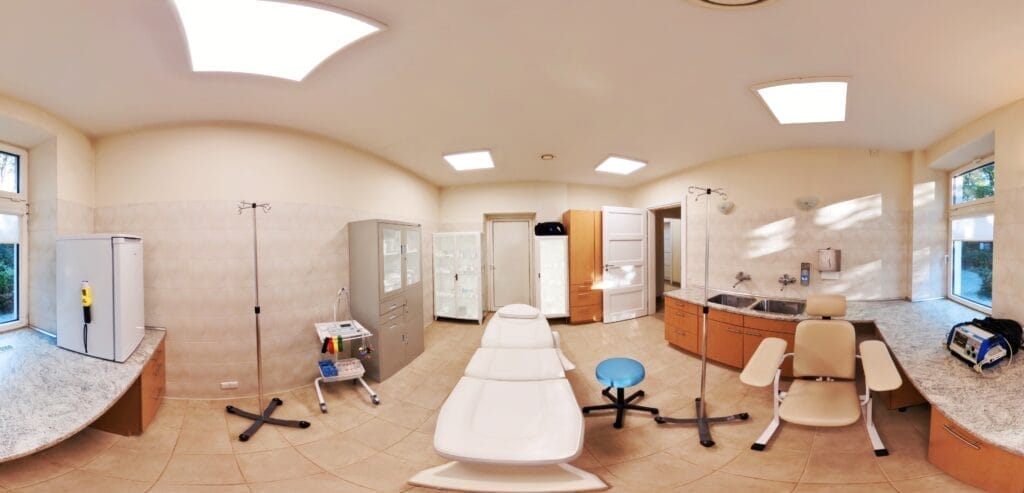
Treatment is conducted by an interdisciplinary medical and therapeutic team with emphasis on patient safety, medical stabilization, and a structured inpatient treatment process. Clinical management is based on current medical and psychiatric knowledge and on individualized assessment of each patient's health status.
The model of care is intended for individuals requiring inpatient treatment, clinical stabilization, and coordinated planning of further care. Team experience and collaboration with specialized physicians and therapists allow treatment to be delivered safely, responsibly, and according to real clinical needs.
The facility specializes in the treatment of alcohol dependence and psychoactive substance use disorders, including illicit drugs, opioids, and prescription medications, as well as selected co-occurring mental health conditions.

Clinical Safety and 24/7 Medical Supervision
Continuous presence of medical personnel and ongoing physician supervision are ensured throughout the entire treatment period.This allows immediate response in crisis situations and continuous evaluation of the patient’s medical condition. Clinical safety is the foundation of the entire treatment process.
Individualized Treatment Planning and Clinical Monitoring
Each patient is provided with a personalized treatment plan developed by the clinical team. Treatment progress is regularly monitored and adjusted according to medical, psychiatric, and psychological needs. Therapeutic decisions are made based on ongoing clinical assessment.

Continuity of Care and Safe Transition
Treatment does not end at discharge. We provide structured coordination of continuing care, post-discharge clinical support, and monitoring of patient stability. The goal is to reduce relapse risk and support long-term recovery outcomes.
Privacy, confidentiality and the therapeutic relationship
Full inpatient model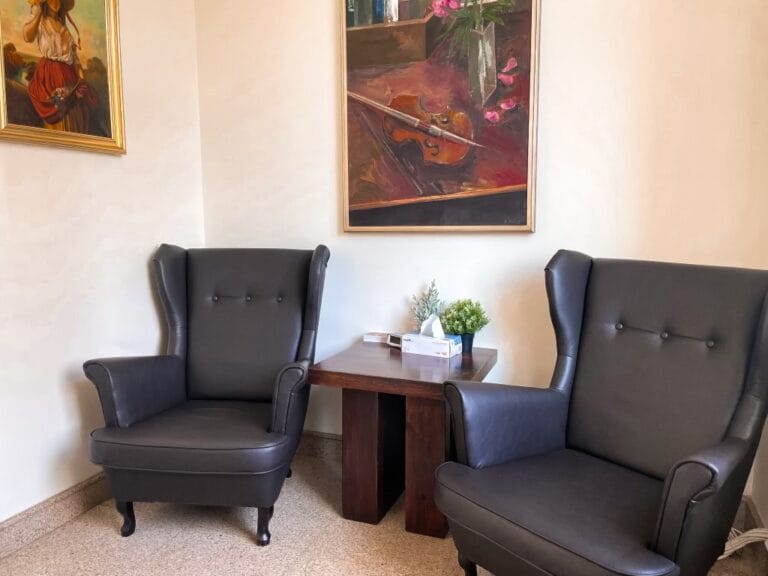
We ensure confidentiality at every stage of treatment and provide a controlled environment built on trust, respect and the preservation of patient dignity. Nothing a patient discloses in therapy leaves the clinical team, and no information about the stay is passed to anyone without explicit consent.
Treatment is delivered within a full inpatient model. It runs from stabilisation and detox, where medically justified, through intensive core therapy, to structured planning of continued care after discharge.
- Phase 01
Stabilisation and detox
Medically supervised withdrawal management, carried out only where clinically indicated after assessment.
- Phase 02
Intensive core therapy
Individual and group work on the mechanisms of addiction, emotional regulation and relapse prevention.
- Phase 03
Continued care planning
A structured plan for the period after discharge, prepared before the patient leaves the clinic.
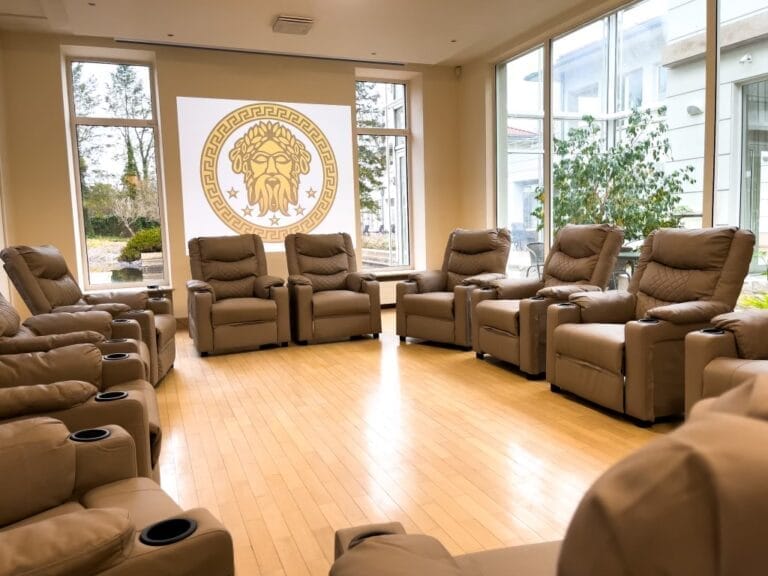
Scope of treatment
The programme covers the conditions listed below, including in patients with a dual diagnosis. Every admission begins with a medical and psychological assessment that determines which of them apply and in what order they are addressed.
- Substance use disorders, including alcohol, cocaine, marijuana and synthetic cannabinoids.
- Opioid use disorder and prescription medication dependence, including benzodiazepines and sleep medications with addictive potential.
- Selected behavioural addictions, including gambling disorder, gaming and compulsive internet use, compulsive shopping, social media addiction and compulsive sexual behaviour.
- Eating disorders, including anorexia nervosa, bulimia nervosa and binge eating disorder.
- Selected mental health conditions, including anxiety disorders, depressive disorders and post traumatic stress disorder, where inpatient stabilisation and clinical supervision are required.
A structured, calm setting for recovery
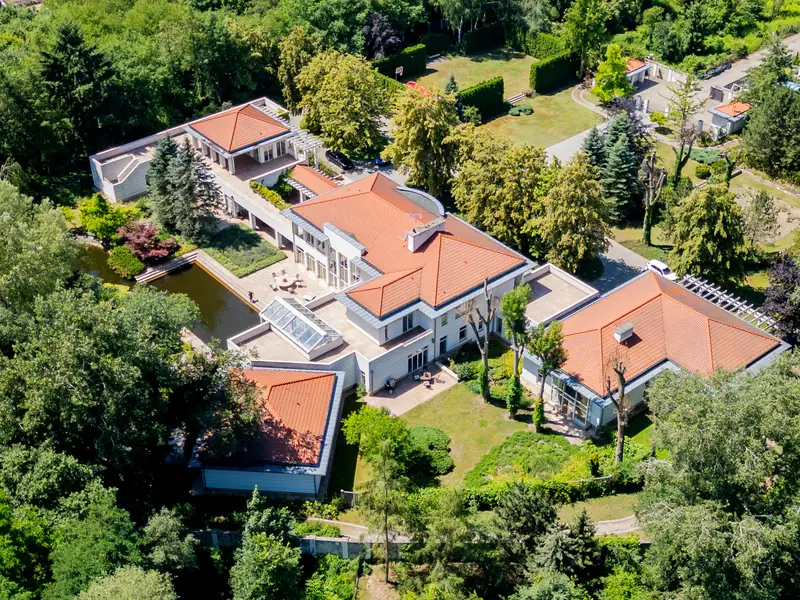
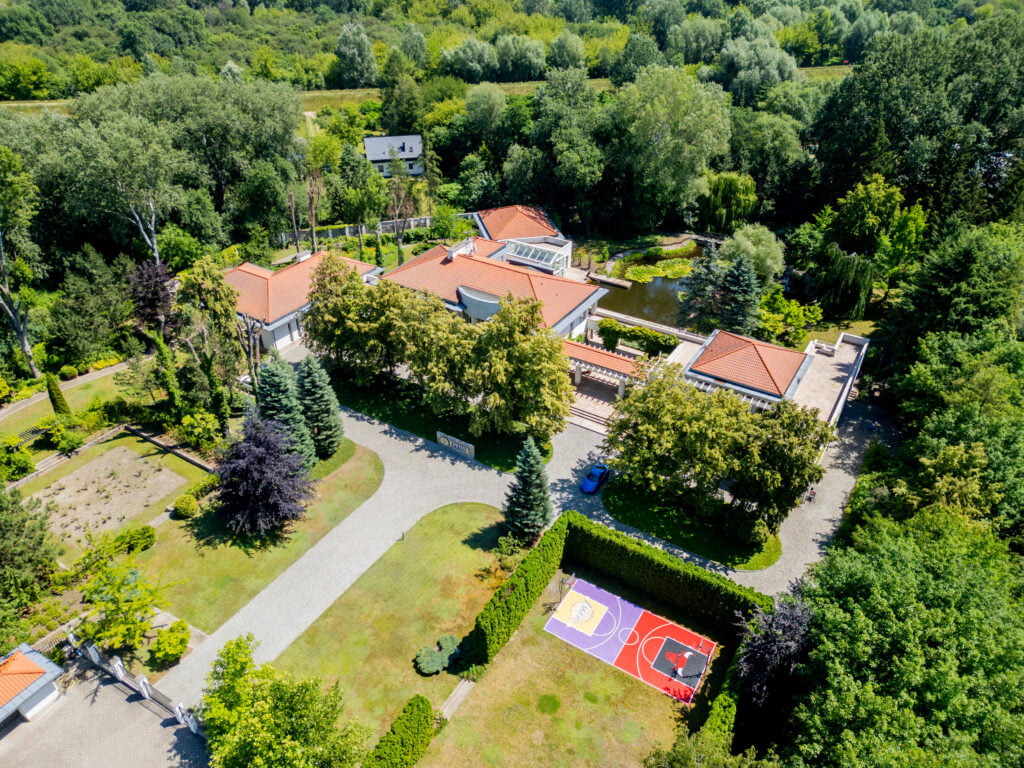
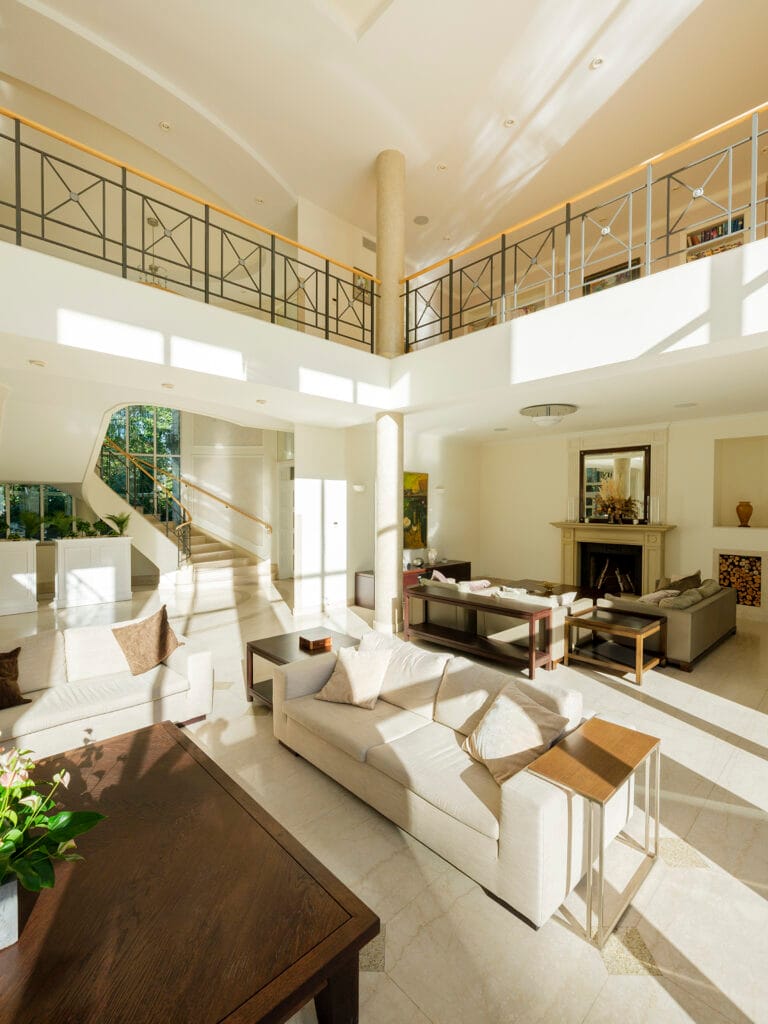
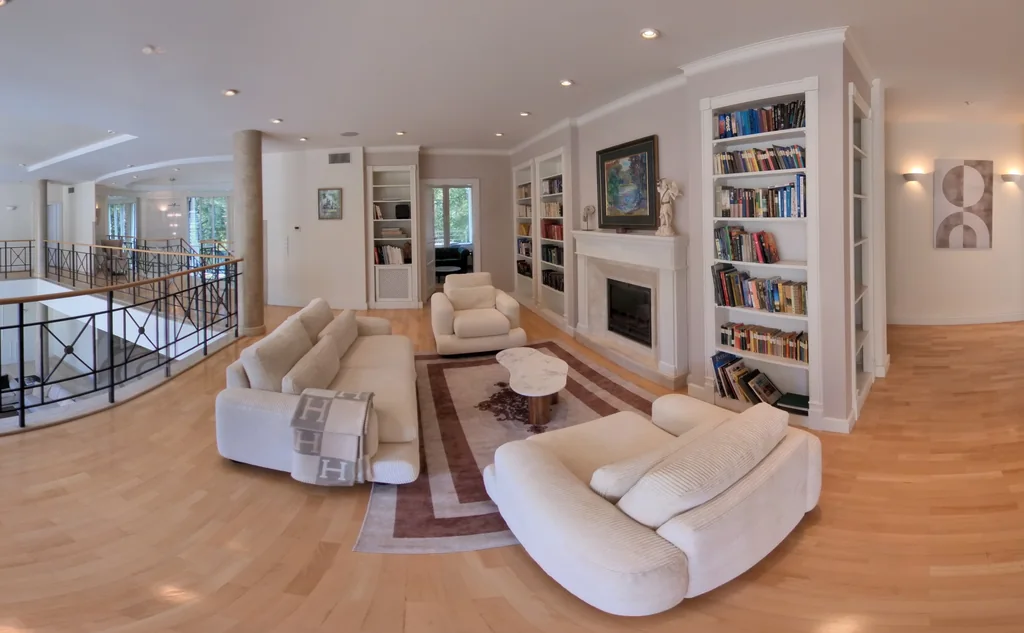
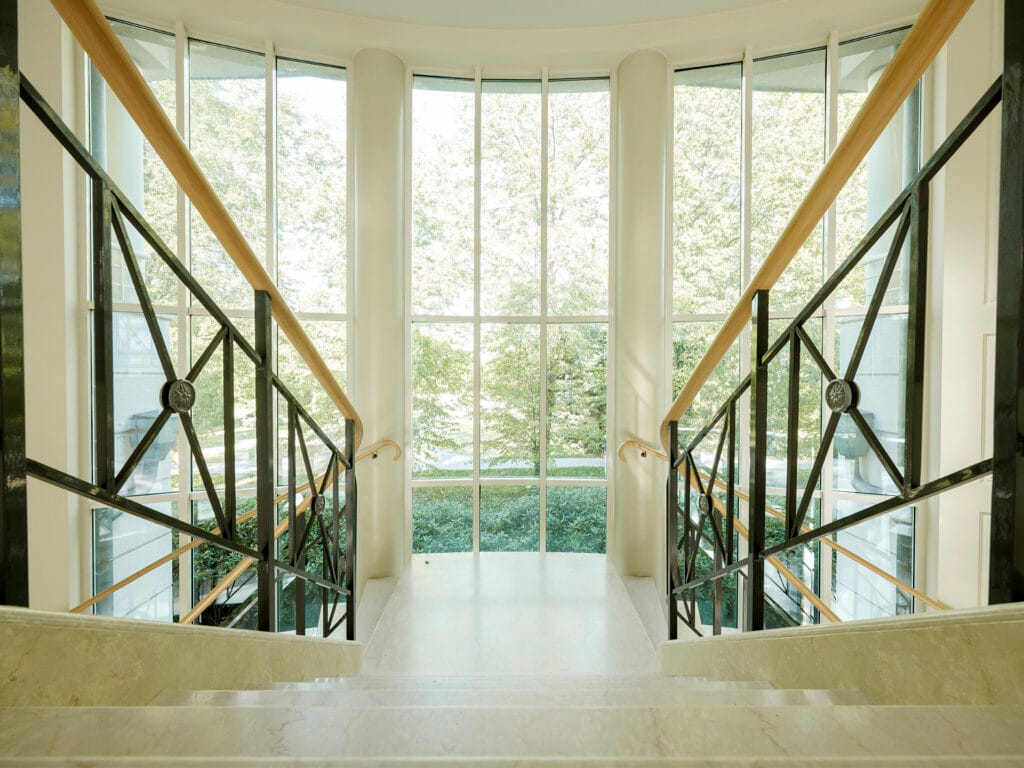
Next to protected natural areasThe clinic sits in a quiet area beside protected natural surroundings, ten kilometres from central Warsaw. The setting supports emotional stabilisation, regulation of stress responses and engagement in therapeutic work, which is difficult to sustain in the environment where the addiction developed.
The centre is intended for patients who require inpatient treatment and clinical stabilisation, not for outpatient care. That distinction determines who we admit and how the stay is organised.
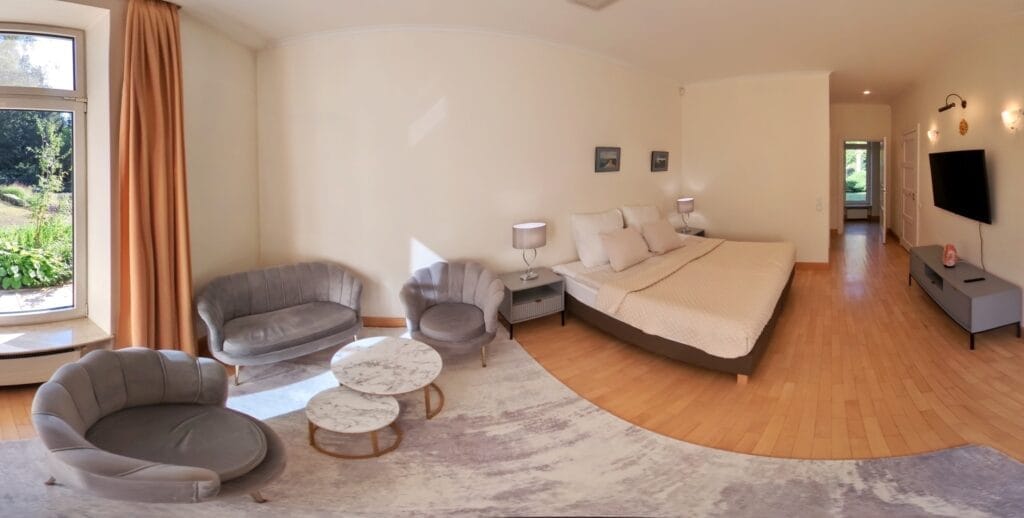
Accommodation and residential conditions
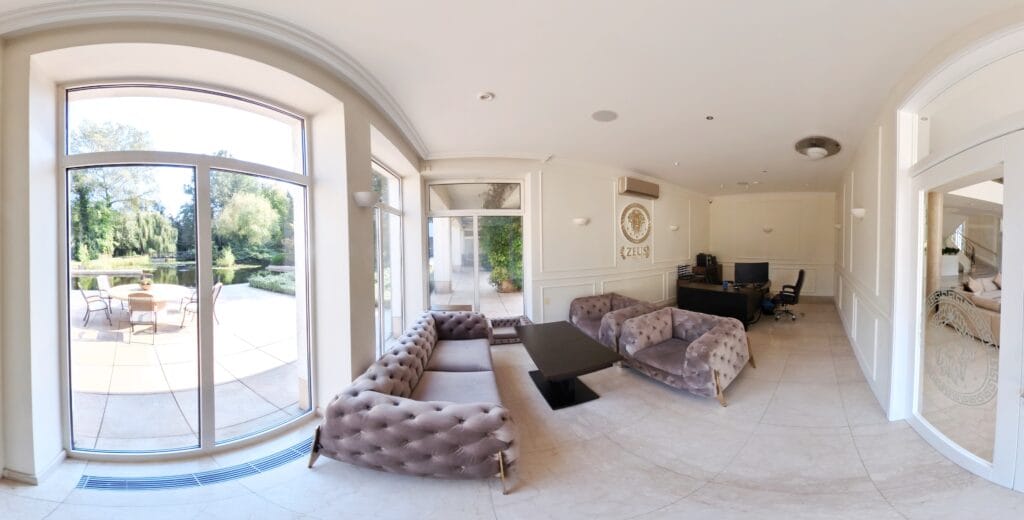
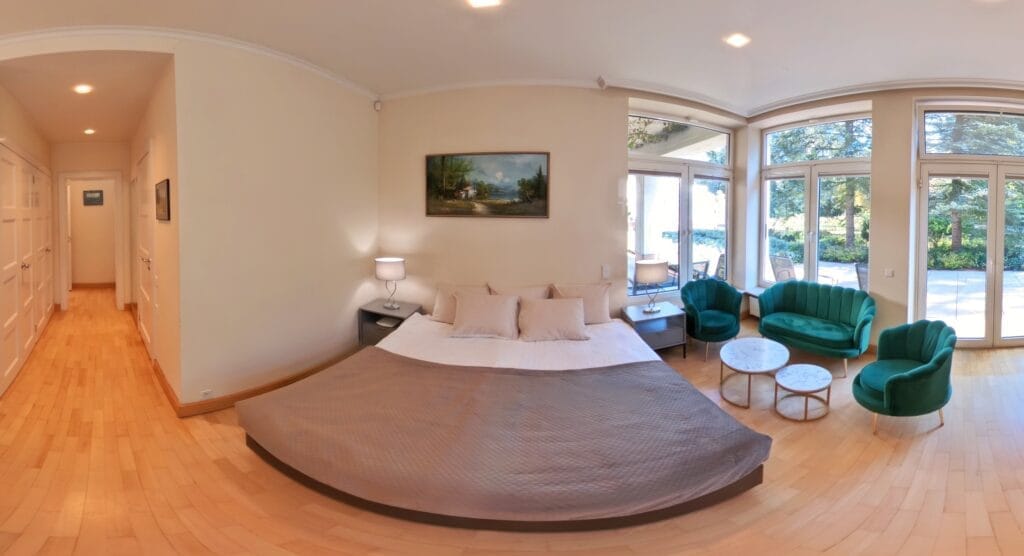
Patients stay in single or double rooms designed to ensure privacy, a sense of safety and conditions that support rest and recovery. The standard of accommodation is the only thing that varies between options. The medical and therapeutic care is identical in every one of them.
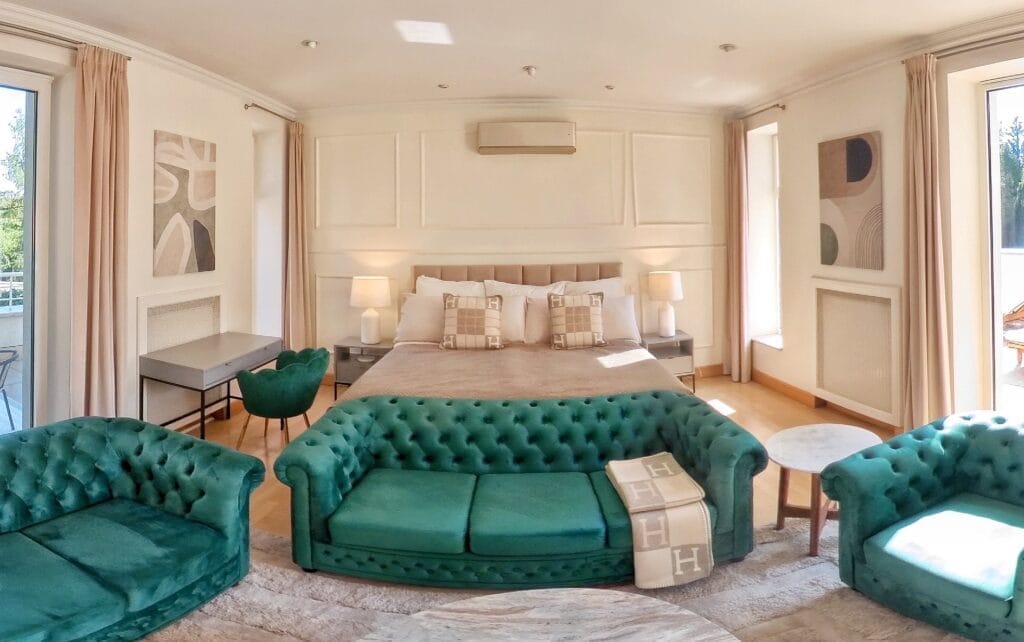
Discretion and the small size of the clinic
The limited number of places is a clinical decision, not a commercial one. Only at this scale are individual sessions, personal knowledge of every case and genuine privacy possible at all. For those who require the highest level of discretion we offer a fully private stay, with a separate part of the centre or exclusive use of the entire residence.
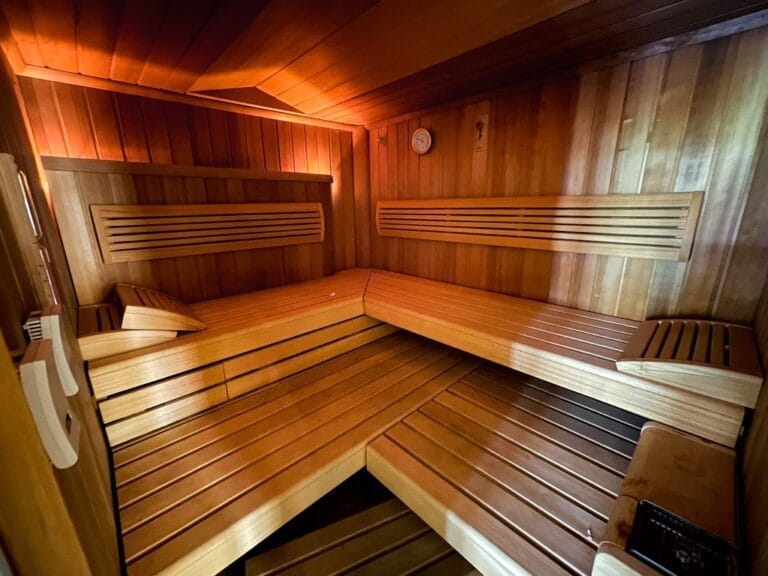
Patients often compare us with luxury rehab clinics in Switzerland, Spain and the UK. The standard of accommodation is comparable. The difference is that clinical supervision here comes first and the environment second.
Private rehab clinic near Warsaw, Poland
Łomianki Dolne · 10 km from WarsawZeus Detox & Rehab is a private rehab clinic in Łomianki Dolne, ten kilometres from central Warsaw and about 25 minutes from Warsaw Chopin airport. We are a registered medical entity in Poland, treatment is delivered under physician supervision, and every admission is preceded by a medical assessment.
As a private clinic we admit patients without a referral and without a waiting list, on a date agreed individually. Private here means more than starting sooner than in the public system: a different standard of stay, a small number of patients, therapy delivered as one to one sessions, and full confidentiality protected by medical secrecy.
Zeus Detox & Rehab operates within the European Union, under Polish and EU health regulations. For patients travelling from the United Kingdom, Ireland and Scandinavia this means a recognised legal framework, documented clinical responsibility and inpatient treatment at a cost well below comparable private clinics in Western Europe, without any compromise on medical standards.
Scope of treatment at our clinic
- Alcohol rehab and alcohol detox. An inpatient programme including medical alcohol detox under round the clock nursing care and physician supervision, followed by therapy in one to one sessions. For many patients it is the first serious attempt to stop drinking in a protected setting.
- Cocaine rehab and cocaine addiction treatment. Stopping cocaine rarely requires a heavy physical detox, but it almost always requires separation from the environment and sustained therapeutic work on craving and impulsivity.
- Drug rehab and medical drug detox. From detox through to therapy, covering stimulants, opioids, dissociative substances and cannabis products, with psychiatric cover throughout withdrawal.
- Prescription drug addiction treatment. Delivered as a controlled dose reduction, including the safe discontinuation of benzodiazepines and sleeping pills.
- We also treat behavioural addictions, gambling among them, and co-occurring mental health disorders, including patients with a dual diagnosis.
We admit patients from across Poland, from the United Kingdom, Ireland and Scandinavia, and from further afield. The entire process, from the first call and medical assessment through detox to individual therapy sessions, is conducted in English, without an interpreter. Patients under 18 are admitted separately, in our rehab for teenagers from the age of 15.
Treatment programmes


Gallery





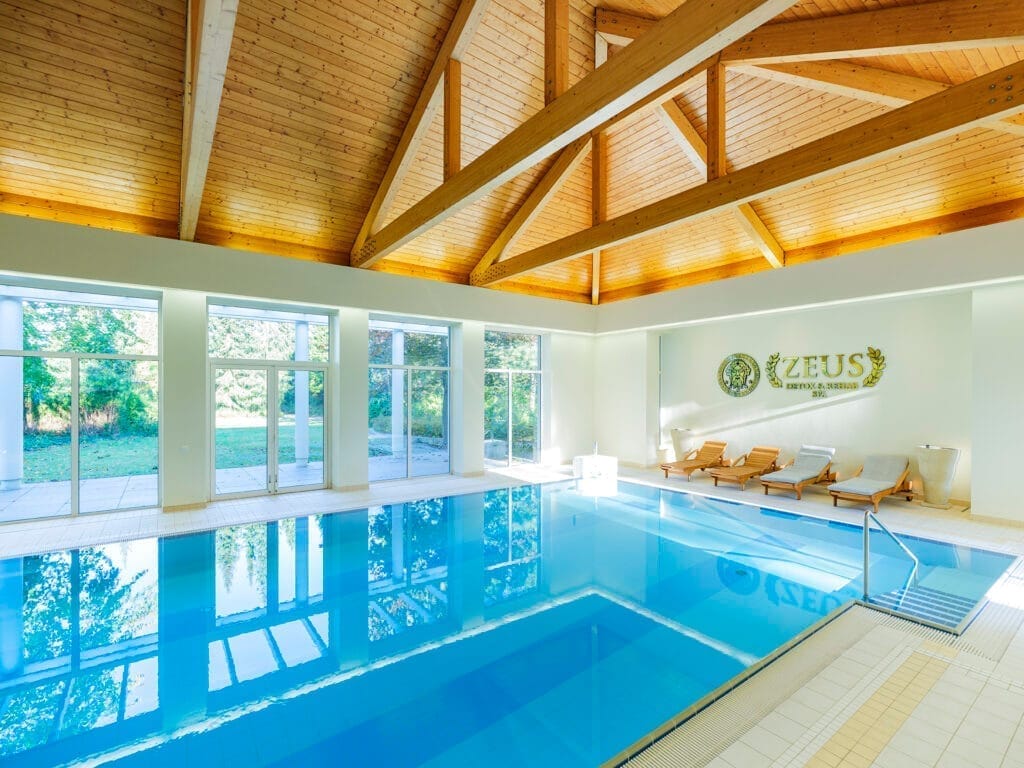
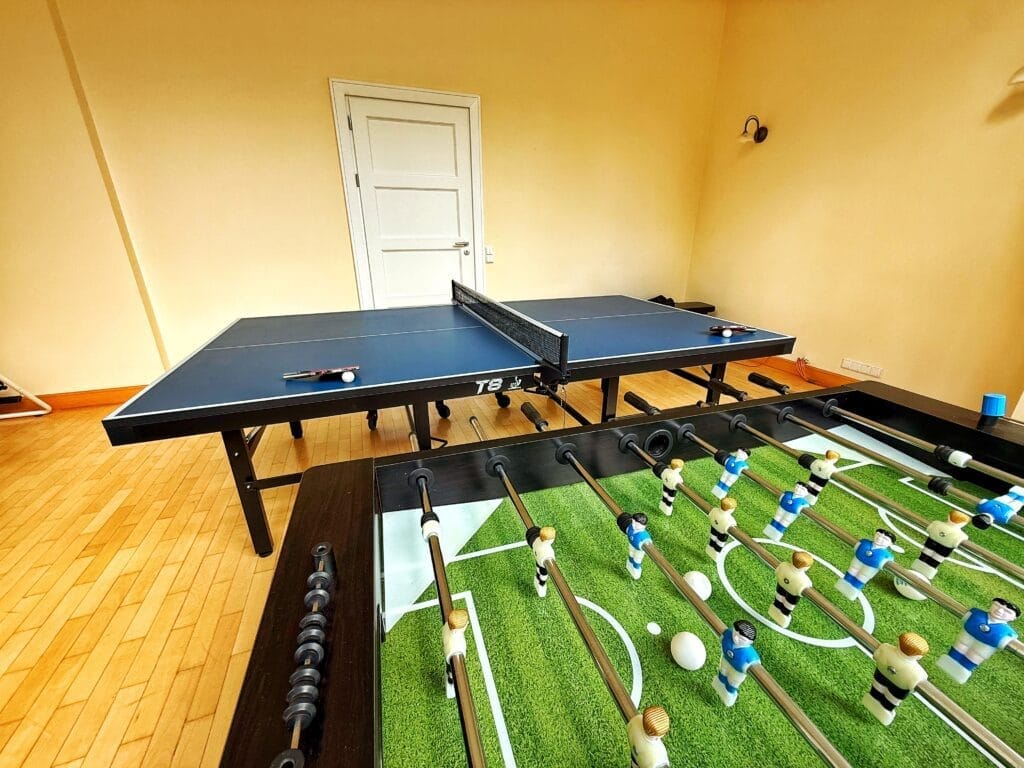

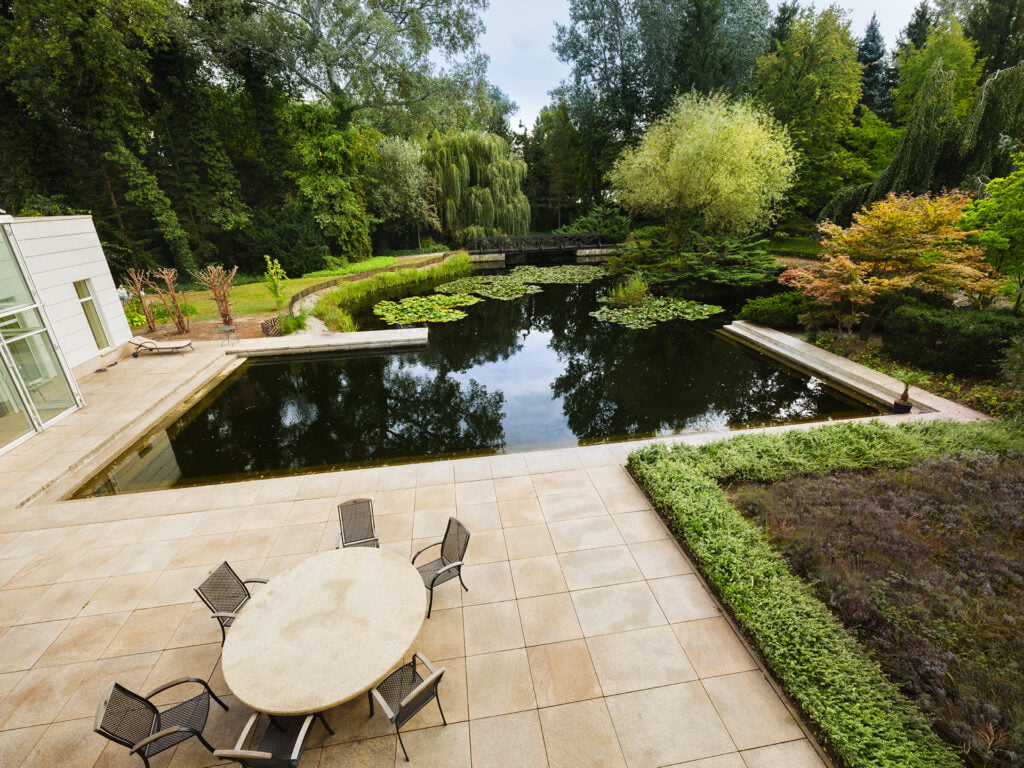



How much does private rehab abroad cost
Every rate publishedThe question we are asked first is how much rehab costs, and here the answer is short: the rate depends on one thing only, the standard of accommodation. Alcohol rehab cost and drug rehab cost are the same at every level, because the scope of medical and therapeutic care is identical in every option. A patient in a three-bed room has the same medical assessment, the same detox protocol, the same number of individual sessions and the same continuing care plan as a patient in the Presidential apartment. The difference is the room, not the medicine.
The rates below cover four weeks of therapy. Detox is charged separately, by the night and by the week, and the full table is on the pricing page.
- Three-bed room Shared room, single sex. The most affordable option, with exactly the same clinical programme as every other. €7,2004 weeks
- Twin room A room shared with one other person. More space and quiet than the three-bed room, identical clinical programme. €9,9004 weeks
- Single room A private room for the whole stay. Airport transfer and accommodation for one companion are included. €19,9004 weeks
- Apartments Studio, Master and Presidential occupy the top floor and are available for detox as well as therapy. €28,900 - 47,9004 weeks
- Entire residence Sole use of the whole centre, no other patients in the house, 20 staff to one patient. €369,900per month
What every rate includes
- Medical assessment before admission, remotely or in person
- Round-the-clock medical care, physician oversight for the whole admission
- Medically supervised detox where clinically indicated, with medication and monitoring of vital signs
- Five individual therapy sessions a week, plus two group sessions
- An AA meeting on Sunday, for those who want it
- Accommodation, all meals and laundry for the full stay
- Psychiatric assessment and dual diagnosis care
- A discharge plan prepared before the admission ends
A programme runs from four to twelve weeks. The length is set individually after the medical assessment, and it is the patient's clinical condition that decides it, not a package bought in advance. Individual sessions have no fixed limit.
For patients travelling from the United Kingdom, Ireland or Scandinavia, a comparable standard of private residential care costs a fraction of what the same length of stay costs at home. That difference comes from the cost base in Poland, not from a reduction in medical standards.
 Full rates, published→
Every rate for a four-week stay and for detox charged per night, in euro with conversions to dollars and pounds. Most clinics quote only on the phone. We do not.
Full rates, published→
Every rate for a four-week stay and for detox charged per night, in euro with conversions to dollars and pounds. Most clinics quote only on the phone. We do not.


