


Alcohol Detox
Inpatient alcohol detox provided under continuous medical supervision.
The goal of treatment is safe medical stabilization and clinical management of alcohol withdrawal symptoms.

Detoxification is the first medical stage of treatment and focuses on safe stabilization during substance discontinuation.
Detoxification alone is not addiction treatment and requires further therapeutic care and planning of continued treatment.

Clinical alcohol detoxification
Alcohol use can disrupt physiological balance and affect both physical and mental health. In some patients, dehydration, electrolyte disturbances, nutritional deficiencies, and other complications may be present and require medical assessment.
Reducing or abruptly stopping alcohol can result in alcohol withdrawal symptoms, ranging from mild to clinically significant. Inpatient alcohol detox aims to provide safe medical stabilization and a controlled withdrawal period under clinical supervision.
When urgent medical help is needed
Urgent medical help is required if, during substance withdrawal, seizures occur, consciousness is lost, severe disorientation develops, psychotic symptoms appear, aggressive behavior occurs that is not appropriate to the situation, intense chest pain is present, shortness of breath occurs, or overdose is suspected. In such situations, self treatment attempts should be avoided. The priority is patient safety and prompt clinical assessment. In life threatening situations, emergency medical help should be contacted immediately by calling 112 or the local emergency number.

What is alcohol detox?
Alcohol detoxification is a medically supervised process designed to support the body during alcohol discontinuation. The primary clinical goal is stabilization of the patient, including symptom monitoring, identification of risk factors, and implementation of appropriate medical management when clinically indicated.
Alcohol withdrawal can progress to alcohol withdrawal syndrome. The nature and severity of symptoms depend on overall health, duration and intensity of alcohol use, and co occurring conditions.
Symptoms of alcohol withdrawal syndrome
Alcohol withdrawal symptoms vary between patients and may change over time. Examples of symptoms include:
Most common symptoms:
anxiety and restlessness
insomnia
gastrointestinal discomfort
nausea and vomiting
chest discomfort
Additional symptoms:
low mood
psychomotor agitation
hand tremor
excessive sweating
elevated blood pressure
light sensitivity
In severe cases, the following may occur:
hallucinations
delirium
seizures
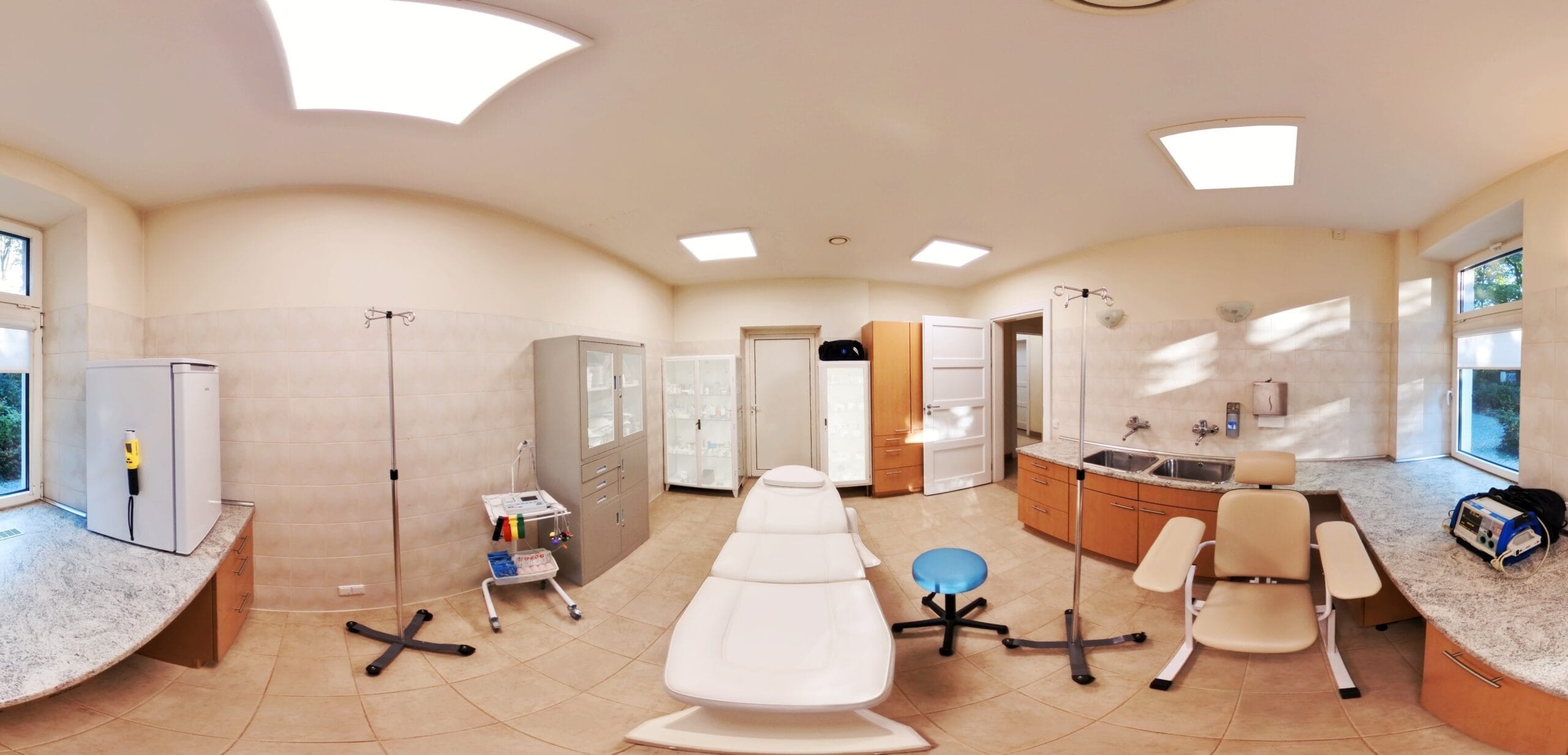
Inpatient detoxification
Alcohol detoxification is intended to support a safe withdrawal period, reduce clinically significant symptoms, and restore medical stability through appropriate monitoring and individualized clinical management.
Alcohol detoxification may involve a risk of severe complications, especially after prolonged heavy drinking episodes. If alcohol delirium, acute psychosis, or lack of response to pharmacological management occurs, the patient may be transferred to a hospital setting with a higher level of medical care.
Clarification regarding transfer to hospital level care
A decision to transfer a patient to hospital care with a higher level of medical capability is made by the clinical team based on ongoing assessment of health status and complication risk. When intensive monitoring or acute treatment is required, patient safety remains the priority.
Inpatient alcohol detox at Zeus Detox & Rehab
Alcohol detox is provided in an inpatient setting within a structured environment and with 24/7 clinical oversight. The treatment plan is determined individually after initial medical assessment and is delivered under conditions supporting privacy and patient safety.
At admission, the clinical team reviews medical history and current health status. When indicated, laboratory tests or additional diagnostics may be ordered. Clinical management may include symptom monitoring, support of hydration and electrolyte balance, and other medical interventions tailored to the patient’s risk profile.
Clinical goals of alcohol detoxification
Alcohol detox is intended to:
reduce withdrawal symptoms and achieve clinical stabilization
support hydration and electrolyte balance
assess nutritional status and address deficiencies when present
identify physical health conditions worsened by alcohol
monitor co occurring mental health symptoms
plan the next stage of treatment
provide psychoeducation and therapeutic support when clinically indicated
Alcohol detox program
A detox program may include:
supervision by the treating physician and medical team
24/7 nursing care and symptom monitoring
assessment of health status and clinical risk
laboratory testing and diagnostics
an individualized clinical plan tailored to the patient’s condition
clinically justified symptom management and supportive care
coordination of continued treatment and planning after detox
Access to wellbeing supporting elements may be included only when clinically justified.
Detox does not replace therapy, what happens after stabilization
Alcohol detoxification is a stage of medical stabilization and withdrawal symptom management. It does not address the underlying causes of addiction and does not replace further therapeutic treatment. After detox, planning the next stage of care is essential, including addiction therapy and relapse prevention measures tailored to the patient’s clinical situation.
Who inpatient alcohol detox is for
Inpatient alcohol detoxification is intended for individuals with clinical indications for medically supervised alcohol discontinuation.
Detox may be appropriate for individuals:
with a diagnosis or suspected diagnosis of alcohol use disorder
whose previous attempts to stop alcohol use independently were ineffective or involved significant withdrawal symptoms
with physical or mental health conditions that increase withdrawal risk
who take medications with interactions requiring medical oversight
who require clinical stabilization before starting further therapeutic treatment
Who inpatient alcohol detox may not be appropriate for
Inpatient detoxification is not a universal solution and is not always the appropriate level of care.
Detox may not be appropriate for individuals:
without withdrawal symptoms or clinical indications for detoxification
seeking only a brief intervention without readiness for continued treatment
requiring acute hospital treatment, including intensive care level support
expecting immediate effects without further therapeutic involvement
Qualification for detox is always preceded by an individual clinical assessment.
Next stages of alcohol addiction treatment


CLINICAL INQUIRY
The form is intended for submitting a clinical inquiry. Messages are delivered directly to the team responsible for treatment coordination.
Frequently asked questions - alcohol detox
Alcohol detox involves a safe withdrawal period under medical team supervision. It includes symptom monitoring, risk assessment, and medical interventions when clinically indicated.
No. The need for detox depends on health status, alcohol use history, and risk of withdrawal symptoms. The decision is made after clinical assessment.
Duration varies depending on symptom severity and individual response. Most commonly it lasts from a few days up to several days, and in some cases longer when clinically needed.
Yes. Detox is provided with 24/7 nursing care and ongoing physician oversight, allowing continuous assessment and timely clinical response.
No. Detoxification is the first stage focused on medical stabilization. Addiction treatment requires further psychological and psychiatric therapy.
When conducted under medical supervision, detox significantly reduces the risk of complications compared to attempting withdrawal without clinical support.
After detox, the next treatment stage is planned. This may include addiction therapy and continued clinical support, according to an individualized care plan.
Yes. Clinical contact is confidential and intended for information sharing and initial assessment of treatment suitability.
For some individuals, stopping alcohol at home carries a risk of complications, especially after prolonged heavy drinking, previous severe withdrawal episodes, co occurring medical conditions, or mental health disorders. A safe decision requires clinical assessment. Inpatient detox provides monitoring and medical intervention when necessary.
Yes. Severe withdrawal complications such as delirium, seizures, acute psychiatric destabilization, or lack of response to pharmacological management may require hospital treatment with a higher level of medical capability. The need for hospitalization is determined by the clinical team based on ongoing assessment.
Clinical Contact
Contact with the center is intended for providing information regarding inpatient treatment and coordinating next steps in a confidential and non-binding manner.
Empathy, Confidentiality, and Clinical Safety
The treatment process is conducted under conditions of full confidentiality, with respect for patient dignity and individual needs.
The discreet setting of the facility and the continuous presence of the medical team ensure a sense of safety, stabilization, and anonymity at every stage of treatment.
Scope of Treatment and Informational Nature of Content
Inpatient treatment provided at Zeus Detox & Rehab is clinical in nature and focuses on medical stabilization, psychiatric assessment, and therapeutic intervention appropriate to the diagnosed condition and stage of the disorder. The scope and structure of treatment are determined individually by the clinical team based on the patient’s current health status and applicable medical standards.
The information presented on this website is for educational and informational purposes only. It does not constitute medical advice and should not be used as a basis for self-directed treatment decisions. Addiction and mental health treatment require individual medical qualification and clinical assessment.