


Individual residential care: private addiction treatment in complete discretion
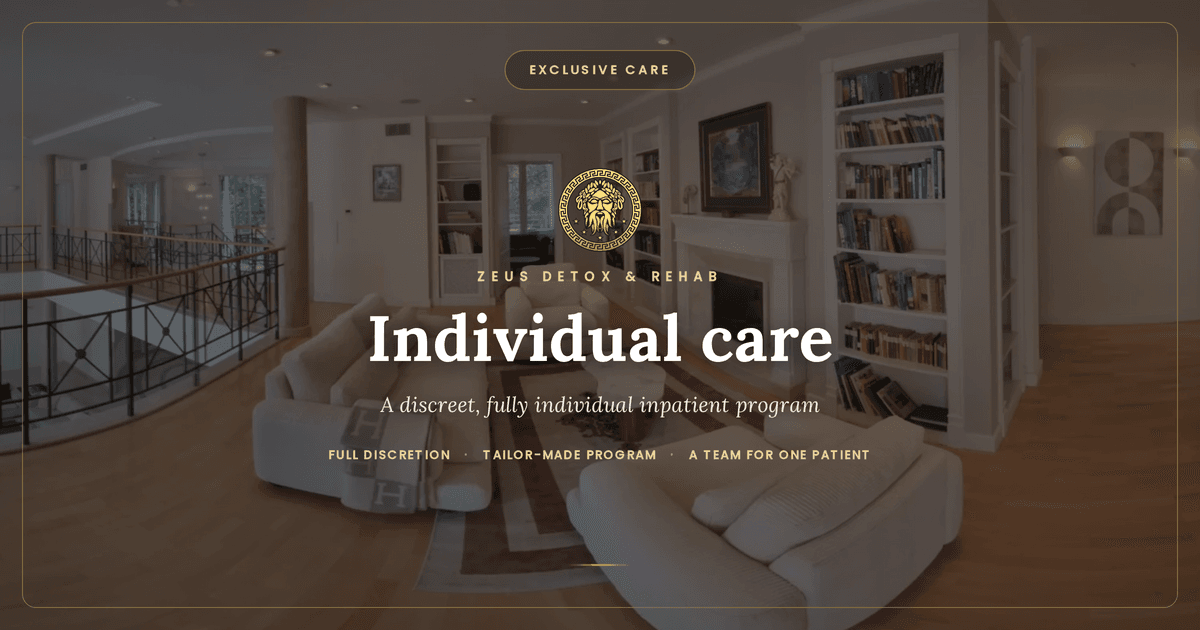
There are patients for whom simply walking into a treatment centre is a greater risk than the illness itself. Professional standing, public recognition or responsibility towards a family and an organisation put the conventional route to treatment out of reach, not for want of means but for want of conditions. The individual residential programme exists for them. Privacy here is not a convenience added to treatment. It is the condition without which treatment never begins.
Individual residential care is designed for people who cannot or will not undergo treatment in a group setting, in facilities with limited access control, or in an environment where their presence might be noticed by anyone outside their closest circle of trust. It brings together every element of professional addiction treatment, delivered as discreet rehab for people who cannot be seen to be in treatment, with the infrastructure, organisation and security protocols found in the most selective private medical clinics in Europe. The conditions of the stay and the scale of discretion are exceptional, while the full clinical responsibility of a licensed medical provider remains in place.
The model we apply here was until recently confined to a dozen or so addresses worldwide: private clinics on Lake Geneva, in Zurich, in Malibu and in Arizona. Sole use of the residence. A clinical team assigned to a single patient. Identity protection protocols that go beyond what the law requires. Patients who set us against those centres find the same standard of stay and the same level of discretion, within European Union law and at a fraction of Swiss or American rates.
Who the individual residential programme was created for
As a private addiction treatment centre near Warsaw we run this programme for a narrow group of patients. They come from different backgrounds but share several characteristics. These are people whose public or semi-public presence makes conventional treatment impossible to arrange without risk to reputation, career or personal life. They include senior executives, board members of listed companies, owners of family businesses, established members of the professions, public figures from media, sport and culture, relatives of those holding public office, and international patients from countries where addiction carries a different social meaning.
Patient profiles
Individuals functioning at a high level with complex clinical needs
People who, despite serious addiction or a co-occurring disorder, maintain full professional and social capability, while the difficulty itself remains invisible to those around them. They typically bring a long history of managing alone, considerable psychological insight and marked resistance to conventional treatment settings.
Executives and business leaders
Chief executives, board members, partners in law and advisory firms, finance and operations directors. People whose decisions bear on company valuations, on the employment of hundreds and on the continuity of entire organisations. For this group, disclosure of treatment carries consequences that extend well beyond their own person.
Individuals of substantial means
People with significant personal or family wealth, for whom treatment forms one element of a broader strategy for managing health, risk and the security of those close to them. Expectations of quality are high, shaped by daily exposure to services at the highest standard.
Creative figures and distinguished professionals
Writers, artists, athletes, scientists, physicians and lawyers of established standing. People whose work demands cognitive sharpness, creative capacity and resilience under pressure held at a constant level. In this group addiction often develops as self-medication of anxiety, insomnia or performance strain.
Public figures and those known to the media
People whose face or name is recognised by a wide public: figures from media, sport, politics, culture and business who live under continuous observation. For them, the smallest leak about a stay in treatment can mean immediate and uncontrolled distribution of the information.
Families and those closest to the patient
Addiction is never the patient’s problem alone. It reaches the entire family system: partners, children, parents and close colleagues. In this programme the family is not treated as external to the clinical process but as part of it, with its own sessions and its own support.
How individual residential care differs from standard addiction treatment
Residential treatment, including at reputable private facilities, rests on a group model. The patient shares space, the therapy room and the table with others. The model is clinically proven and produces good results for most people. For some patients it nevertheless remains out of reach, and anonymity is not the only reason. A group programme is by definition designed as a universal solution rather than an answer to a single, complex situation.
The individual programme reverses that logic. The starting point is not a template into which the patient is fitted, but the patient around whom the template is built: their clinical, biographical and social situation. The clinical programme is constructed by a multidisciplinary team on the basis of detailed assessment in the first days of the stay, covering psychiatric, internal medicine, neurological and psychological evaluation, with narrow specialist consultations where required. Every element is selected individually, from pharmacological detoxification protocols through therapeutic modalities, the frequency and structure of sessions, to supporting elements such as physiotherapy, recovery, nutrition and family programmes.
In practice this means time and attention from the clinical team on a scale unattainable in a group model. Instead of an hour of group therapy a day and brief individual consultations, the patient has several hours of individual work, continuous access to the psychiatrist and physician, and a schedule built around their clinical needs rather than the operating rhythm of the facility.
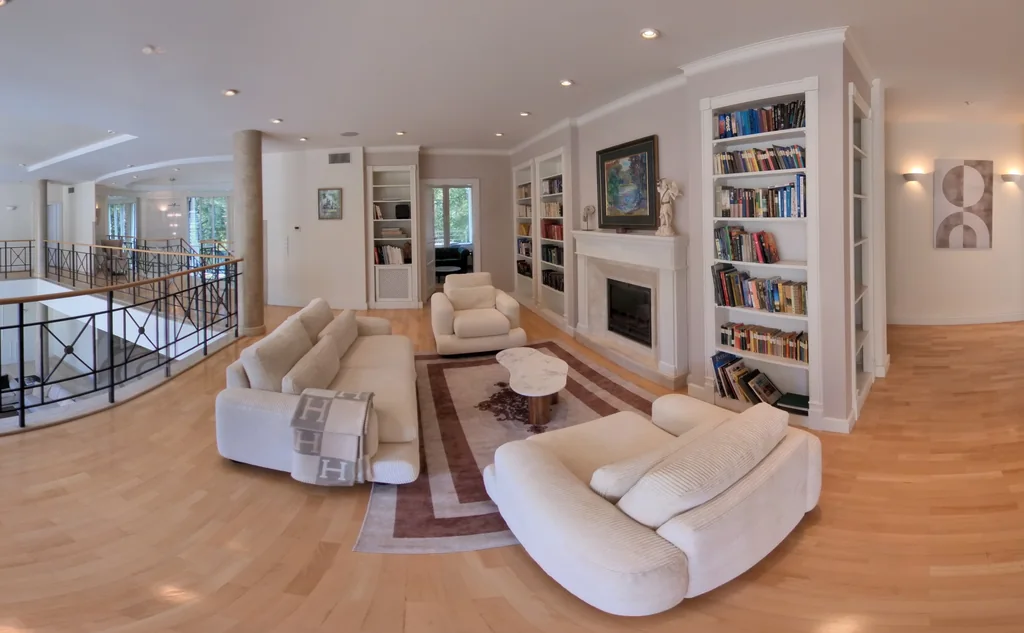
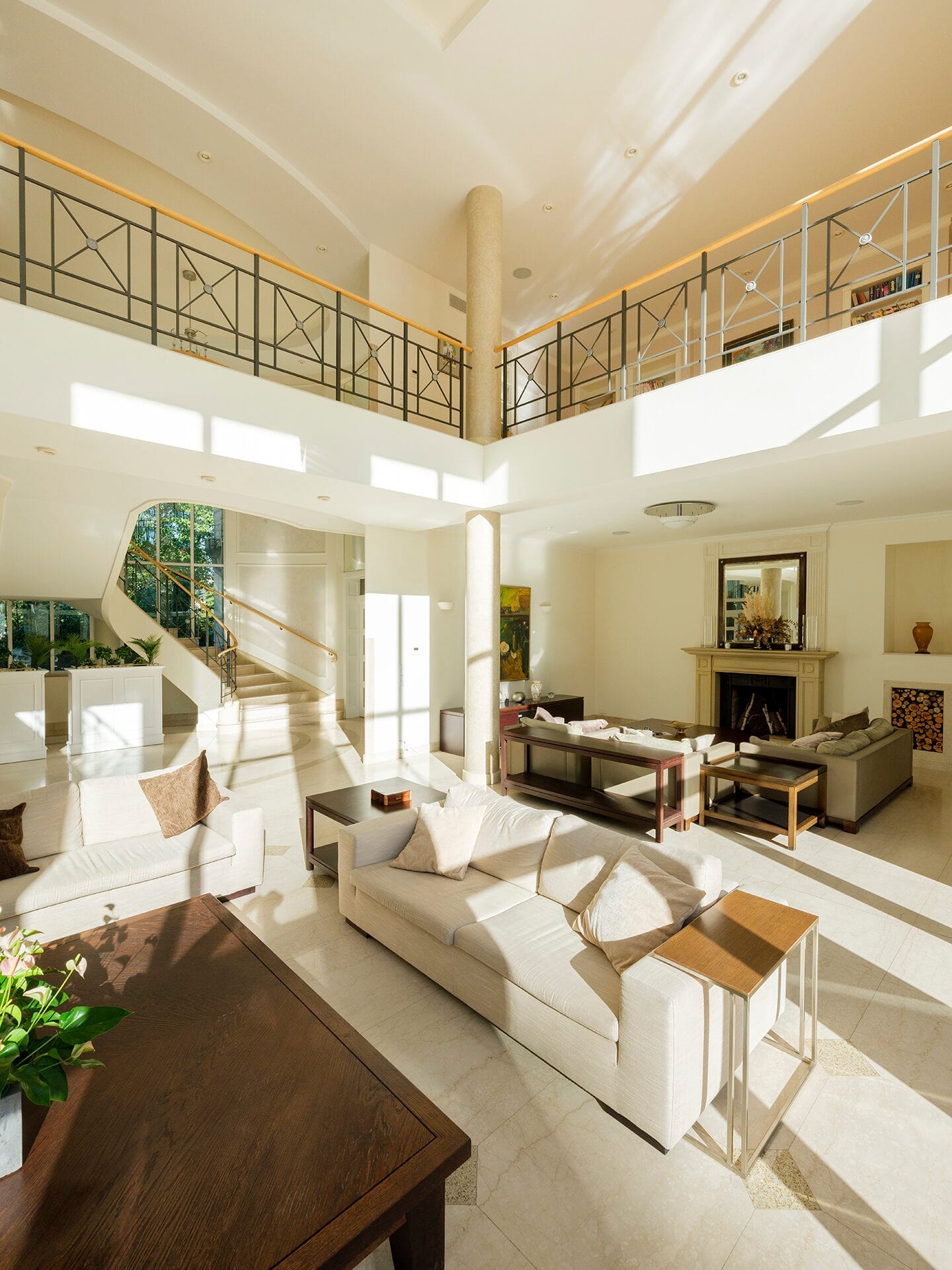
The architecture of privacy
Privacy is non-negotiable for our patients. We have built a layered organisational system around it, so that the patient’s presence at the centre, the details of their treatment and any information derived from either remain fully confidential, whatever the level of outside interest in the person.
The first layer is the physical location and construction of the centre. The residence stands on a gated site with access controlled through a double gate. The grounds are under perimeter security and surveillance, with a record of everyone entering and leaving. Transfer can be arranged from a private airport directly onto the grounds, bypassing public infrastructure entirely. The centre has a helipad, allowing a wholly discreet transfer where a higher level of security is required.
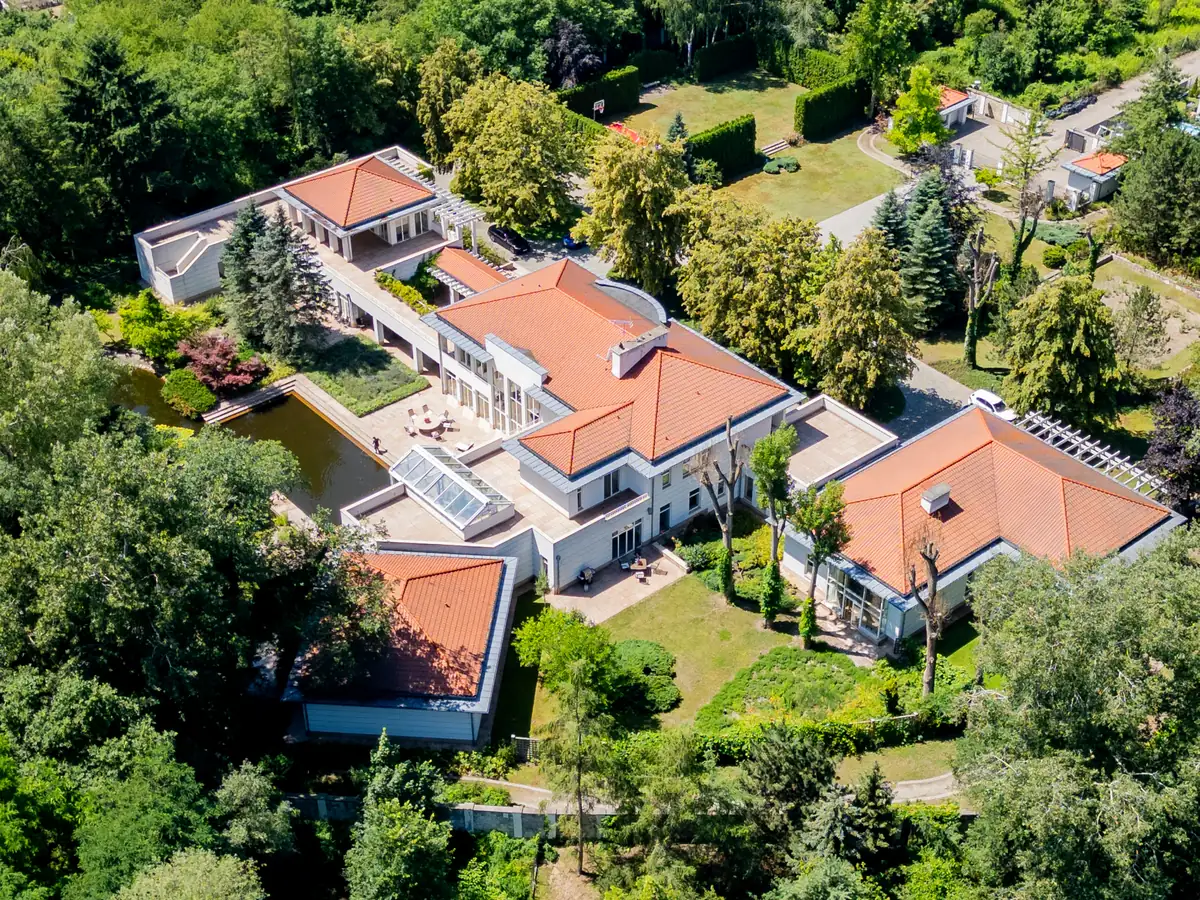
The second layer concerns information about the patient. Medical records are kept in full compliance with Polish law but stored under security conditions well beyond the standard requirement. Alternative patient identification may be used in internal and organisational communication, limiting knowledge of the patient’s real details to the minimum clinically necessary team. Access to complete patient information is governed by strict authorisation protocols, and all staff, including support, cleaning and kitchen personnel, sign individual confidentiality agreements with legal force reaching well beyond standard employment clauses.
The third layer is the absence of other patients. In this programme our patient does not encounter anyone else in treatment, because for the duration of the stay there is nobody else in treatment on the grounds. That removes the whole class of risk that operational separation is otherwise designed to manage.
Full clinical scope under individual conditions
An individualised process does not mean a reduced clinical scope. The patient has access to the full clinical infrastructure of the centre, extended by a number of elements available only in this model of care.
Every programme begins with medically supervised detoxification, conducted with full monitoring of the patient’s physical and mental state and with individually selected pharmacological protocols. For detoxification from alcohol, benzodiazepines, opioids and opioid analgesics, stimulants, cocaine, MDMA, synthetic cannabinoids and other psychoactive substances, protocols are matched to the specific dependency, its severity, co-occurring physical and psychiatric conditions and the patient’s individual tolerance. Detoxification is carried out with continuous monitoring of vital signs, access to full emergency provision and the possibility of immediate specialist consultation.
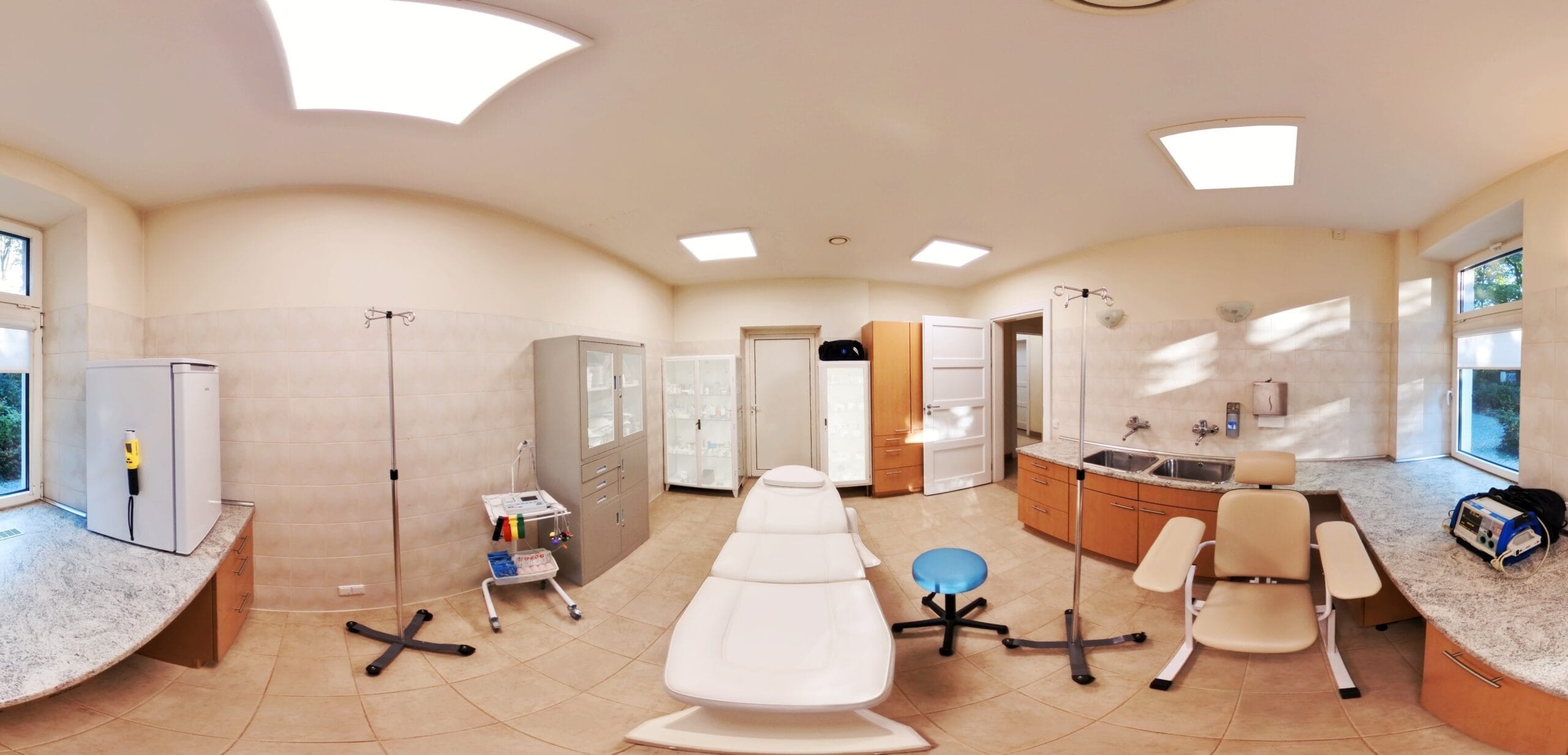
Therapeutic work begins once detoxification is complete. The patient works with a dedicated therapist specialising in their particular clinical profile. Sessions run well beyond the usual measure, several hours a day, across different modalities matched to the needs of the individual patient.
One level of care, one patient
There is one level of care in this programme, and it is the one that removes every compromise: the entire residence is given over to a single patient. Nobody else is in treatment on the grounds. All clinical, organisational and logistical resources are dedicated to that person and their immediate circle, at twenty staff to one patient. We previously offered this as three graded tiers and found the distinction unhelpful. Someone deciding whether to enter treatment at all should not also be deciding between grades of privacy.
The programme accommodates up to four companions, which may include a personal assistant, security staff and a family member or partner. Each has a private room, access to the communal areas and the option of taking part in selected elements of the programme, in a scope agreed with the clinical team.

- Sole use of the residence. Nobody else in treatment on the grounds for the whole of the stay.
- Twenty staff to one patient: physicians, psychiatrists, nurses, therapists, physiotherapists and support personnel.
- A Director of Care available around the clock, holding the whole clinical, organisational and logistical process and serving as a single point of contact.
- A resident psychiatrist who remains on the grounds throughout the stay and is available continuously.
- Medically supervised detoxification with continuous monitoring of vital signs and pharmacological protocols selected for the individual patient.
- Several hours of individual therapy a day, with a therapist matched to the patient’s clinical profile rather than to a rota.
- A personal chef preparing meals for the patient and their circle in line with the dietary plan, culinary preferences and medical requirements.
- Up to four companions in private rooms, each with the option of joining agreed elements of the programme, including family sessions and psychoeducation.
- Concierge service covering individual requests, and transfer from a private airport or by helicopter directly onto the grounds.
- Six months of aftercare after discharge: therapist visits at the patient’s home, telehealth with the clinical team and continued support throughout recovery.
What private addiction treatment costs here
≈ £ 317 700
The rate covers sole use of the residence and everything listed above, for one patient and up to four companions. It is quoted per month because a month is the shortest stay at which this model of care makes clinical sense. Shorter and longer periods are agreed before admission on the same monthly basis, and nothing is added during the stay.
The same figure appears on our pricing page, listed there as the entire residence for one patient. Flights to Poland are arranged by the patient; everything from the aircraft onwards is ours. Payment is by bank transfer in euro, before admission or in agreed instalments, and invoices can be issued to a private individual, a company or a family office.
Conversions are approximate, for orientation only; invoices are issued in euro · 1 EUR = 1,16 USD, 0,86 GBP (average rate of the National Bank of Poland, table 177/A/NBP/2026, 11.09.2026)
If sole use of the residence is more than the situation calls for, the same clinical team runs a shared-occupancy programme for the same kind of patient, with a maximum of ten people on the grounds at any time and identical medical and therapeutic care: the executive programme.
International experience and multilingual care
We admit patients from across the world. Our clinical and administrative team is able to deliver treatment in eleven languages: Polish, English, Russian, Arabic, Turkish, German, Persian, Vietnamese, Italian, Spanish and French. A patient can therefore use their native language at every stage of the process, from first contact through clinical consultation, therapy and psychiatric care to communication with support staff, without external interpreters and without compromise in the quality of communication.
For Arabic-speaking patients our team includes a physician and a psychologist working entirely in Arabic, providing direct clinical and therapeutic care in the patient’s own language. We provide meals prepared in accordance with religious requirements, a place for prayer within the residence, and cultural requirements accounted for in the organisation of care. Patients from Russian, German, Persian, Vietnamese and other language backgrounds receive a comparable standard of cultural and linguistic support.
Working with treating physicians and external consultants
Where patients remain under the ongoing care of their own physicians, psychiatrists, psychotherapists or other specialists outside the centre, our clinical team works actively with those external specialists during the stay. In practice this means exchange of clinical information, joint consultations, coordination of the pharmacotherapy plan and, in particular cases, visits by an external specialist to the centre. Such collaboration preserves continuity of care for patients who do not wish to interrupt an established therapeutic relationship, while drawing on the infrastructure and residential treatment protocols available only here.
We also work with medical concierge agencies, family offices and private health advisers acting for our patients. Within these relationships we provide adapted admission procedures, a dedicated contact coordinator, simplified communication protocols and formal cooperation agreements covering specific patients.
The clinical team
Private addiction treatment at this level is possible only because of a clinical team of the highest calibre. The team includes consultant psychiatrists with many years of experience in addiction and dual diagnosis, physicians in internal medicine responsible for physical oversight and coordination with specialist consultants, certified psychotherapists representing therapeutic approaches with documented clinical effectiveness, clinical psychologists specialising in addiction and co-occurring disorders, dietitians, physiotherapists and experienced support staff.
Every member of the clinical team working with an individual patient is selected with particular attention to competencies beyond the standard qualifying requirements. Alongside full professional credentials, we expect experience of working with people who require exceptional discretion, communication skills suited to that context, intercultural competence in work with international patients, and the ability to remain entirely professional in situations where the usual frame of clinical work may be adjusted to a particular patient’s circumstances.
From first contact to long-term aftercare
Treatment begins with first contact with our international coordination team. This may be a telephone call, an email, contact through the patient’s trusted adviser or a meeting at a location of the patient’s choosing. The first conversation is held by an experienced coordinator who establishes the initial picture, answers questions about the available options and arranges the subsequent stages of assessment.
Assessment includes an initial consultation with a consultant psychiatrist, remotely or in person at a location chosen by the patient. This establishes the clinical picture, the indications for residential treatment and the safety conditions of the process, and produces an outline of the programme. On that basis we prepare an individual proposal covering the recommended length of stay, the clinical modalities, the composition of the team and the full organisational plan.
Admission is arranged strictly around the patient’s circumstances. Transfer to the centre may be organised by our team, from a private airport or from a chosen location in Poland or abroad, under conditions ensuring complete discretion.
Legal safeguards and confidentiality
Every aspect of treatment is covered by comprehensive legal safeguards. At the base level this means full compliance with Polish law on the protection of medical data and on the conduct of medical activity. Beyond that, each patient in the individual programme enters into a dedicated agreement with the centre setting out the detailed terms of service, including advanced confidentiality clauses, arrangements for communication with third parties, details of billing and specific procedures for situations falling outside the standard course of treatment.
All staff, whatever their position, sign individual confidentiality agreements covering all information obtained in the course of their duties. These agreements are legally binding and remain in force after their engagement with the centre ends. This applies to the clinical team and equally to support, kitchen, technical and cleaning personnel, and to anyone present on the grounds in any capacity during a patient’s stay.
For patients requiring additional safeguards, we can arrange for the patient’s legal adviser to be present during the stay, conclude individual information protection agreements beyond the standard framework, and introduce further security protocols appropriate to the particular situation.
Frequently asked questions
How long does a stay in the individual residential programme last?
The programme is quoted and planned by the month, and a stay most often runs from one to three months. The recommended length depends on the nature of the addiction, how far it has progressed, any co-occurring conditions and the patient’s individual clinical situation. Where long-term care is indicated, programmes of several months can be arranged, with the intensity of treatment adjusted across successive phases. The clinical team determines the optimal length on the basis of detailed assessment carried out during the first days of the stay.
Is it possible to stay in contact with professional commitments during treatment?
Yes, within limits set by the clinical team. We recognise that for many patients a complete break from professional responsibilities is not realistic. A dedicated working space with secure connectivity can be arranged, along with set hours for correspondence and calls. The scope is agreed individually and reviewed during the stay, since contact with work can support the process or undermine it depending on the phase of treatment.
What does first contact and admission assessment involve?
The first conversation is confidential and carries no obligation. It may take place by telephone, by email, through a trusted adviser or in person at a location of the patient’s choosing. It is followed by an assessment with a consultant psychiatrist, remotely or in person, establishing the clinical picture, the indications for residential treatment and the safety conditions of the process. On that basis we prepare an individual proposal covering the recommended length of stay, the clinical modalities and the composition of the team.
Can family members or people close to the patient take part in the stay?
Yes. Up to four companions can stay, each in their own private room, with access to the communal areas. This may include a personal assistant, security staff and a family member or partner. Family members may take part in selected elements of the programme, including separate therapeutic sessions and psychoeducation, in a scope agreed with the clinical team.
How does the centre protect confidentiality and patient identity?
Through several layers. The residence stands on a gated site with controlled access, perimeter security and a record of all vehicles entering and leaving. Medical records are kept in full compliance with Polish law and stored under conditions well beyond the standard requirement. Alternative patient identification may be used in internal communication, limiting knowledge of the patient’s real details to the clinically necessary team. Every member of staff, including support, kitchen and cleaning personnel, signs an individual confidentiality agreement that remains binding after their employment ends.
Can international patients expect care in their own language?
Our clinical and administrative team works in eleven languages: Polish, English, Russian, Arabic, Turkish, German, Persian, Vietnamese, Italian, Spanish and French. A patient can therefore move through every stage of the process, from first contact through clinical consultation, therapy and psychiatric care to daily contact with support staff, in their native language, without external interpreters.
Which clinical conditions are treated within the individual residential programme?
Addiction to alcohol, benzodiazepines, opioids and opioid analgesics, stimulants, cocaine, MDMA, synthetic cannabinoids and other psychoactive substances, together with behavioural addictions. We also treat co-occurring conditions: depression, anxiety disorders, post-traumatic stress disorder, bipolar disorder, eating disorders and sleep disorders. Where a condition falls outside our clinical scope, we say so at the assessment stage and, where possible, indicate an appropriate centre.
Empathy, confidentiality and clinical safety
The treatment process is conducted under conditions of full confidentiality, with respect for patient dignity and individual needs. The discreet setting of the facility and the continuous presence of the medical team ensure a sense of safety, stabilisation and anonymity at every stage of treatment.
Contact regarding treatment→What to look at before admission
The individual format concerns the degree of seclusion, not the scope of treatment. Below is what stays the same whichever way the stay is arranged.
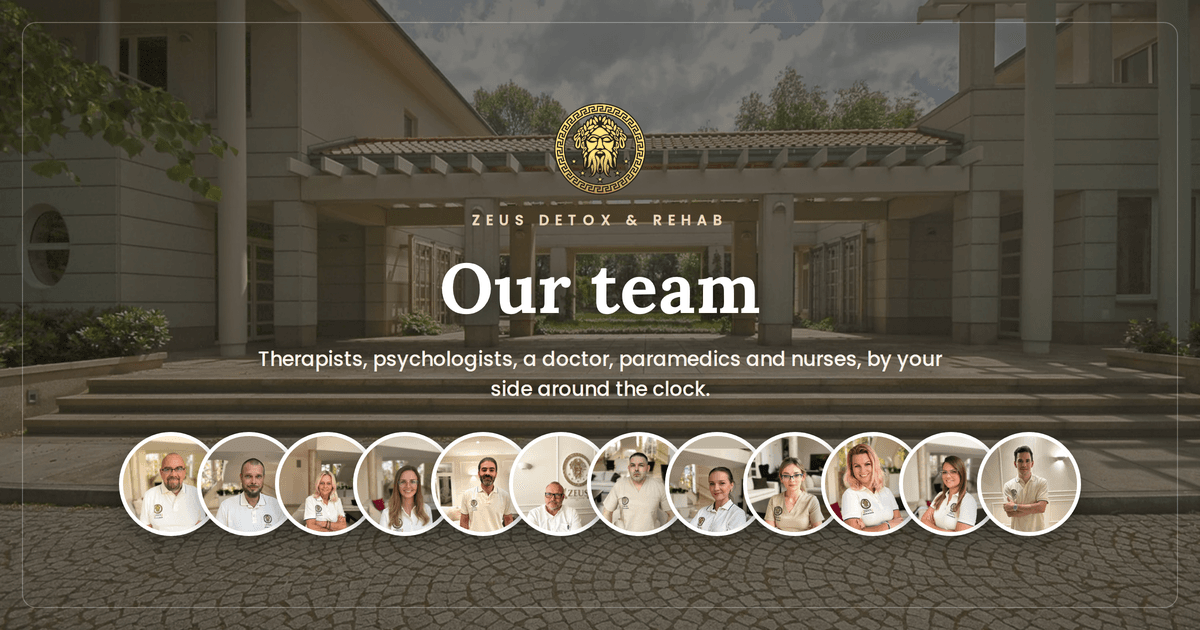 Who delivers the care→The physicians, psychiatrists and therapists responsible for the stay.
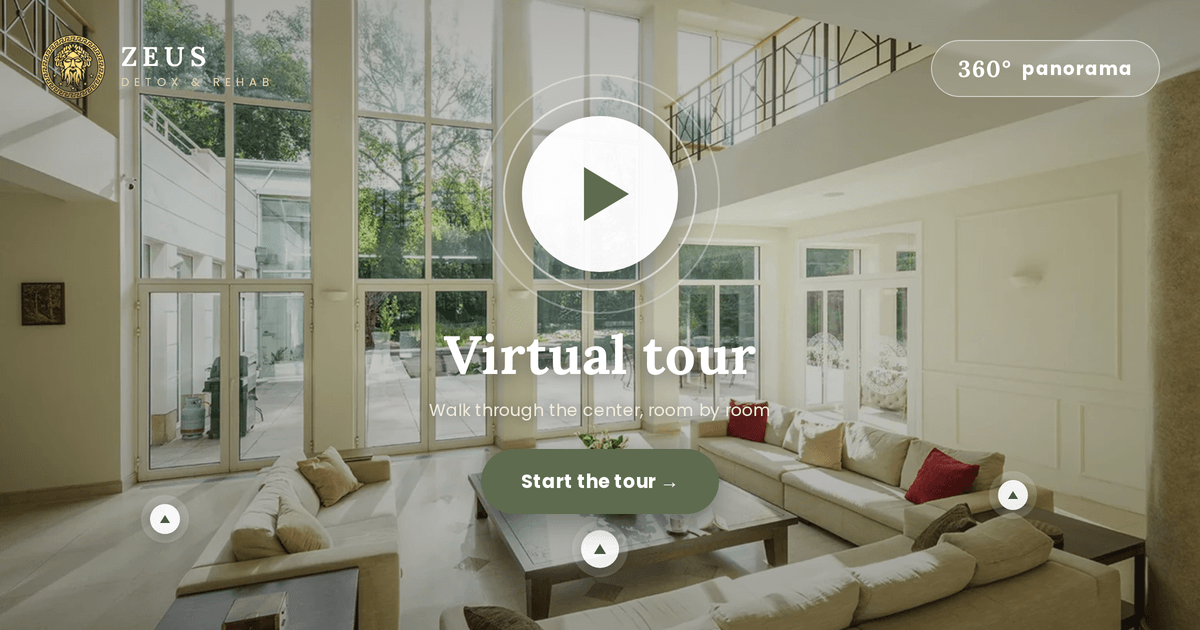 Where the stay takes place→Apartments, clinical areas and the grounds, from the inside.
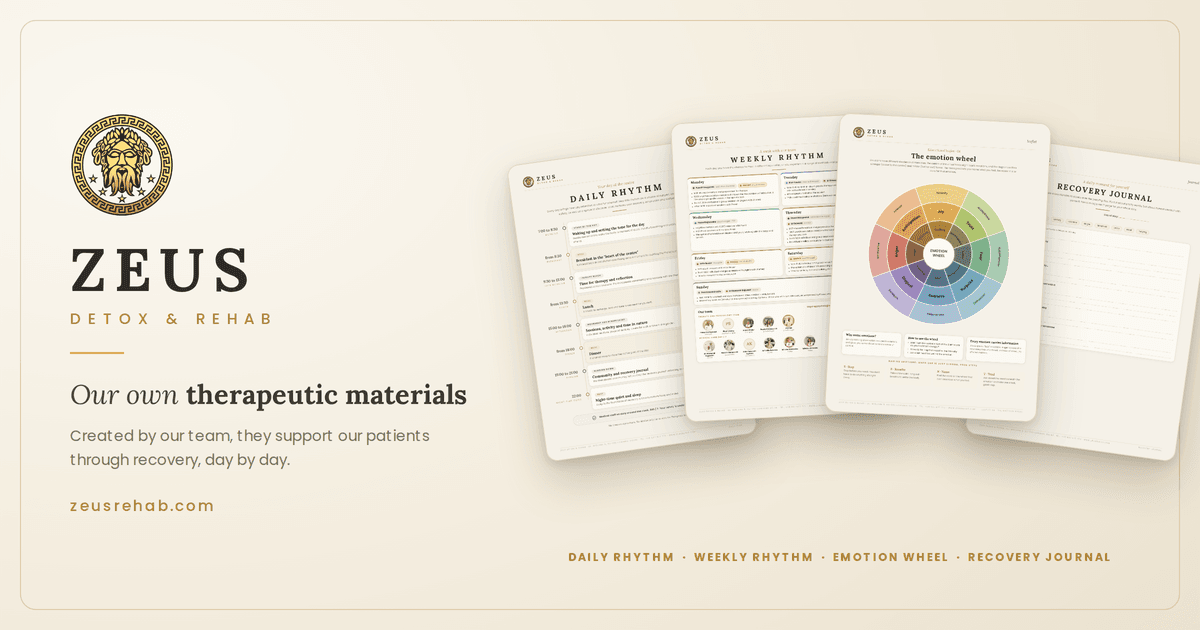 How a day is structured→The rhythm of the day and the week in residential treatment.
 Why patients choose us→Clinical safety, confidentiality and medical accountability.
Scope of treatment and clinical responsibility
Inpatient treatment provided at Zeus Detox & Rehab focuses on medical stabilisation, psychiatric evaluation and intensive therapeutic intervention during the acute or advanced phase of a disorder.
Inpatient care does not replace long-term outpatient treatment, does not promise any particular clinical outcome, and requires individual medical qualification. Planning of continued care, treatment continuity and structured post-discharge support forms an integral part of the therapeutic process.
The scope and structure of treatment are determined individually by the clinical team based on the patient’s current medical and psychiatric condition, formal diagnosis and applicable clinical standards. The content presented on this website is not intended for self-directed treatment decisions and does not substitute direct consultation with a licensed medical professional.
Medical and educational disclaimer
The information provided on this website is for informational and educational purposes only. It does not constitute medical advice, diagnosis or treatment and cannot replace an individual consultation with a physician or other qualified healthcare professional.
Addiction treatment and mental health care require individualised clinical assessment. Therapeutic decisions must be made exclusively by licensed healthcare professionals based on a comprehensive evaluation of the patient’s condition. The described treatment model refers to clinical practice conducted in Poland, in accordance with applicable medical regulations and standards.
Content author
The content published on this website is prepared by the interdisciplinary clinical team of Zeus Detox & Rehab in collaboration with physicians, psychiatrists, psychotherapists, clinical psychologists and medical staff. All materials are developed on the basis of current medical knowledge and clinical experience in inpatient addiction treatment.

Medical content review
The scope of medical review includes clinical, pharmacological and organisational aspects of inpatient care. All diagnostic and therapeutic decisions are made exclusively on the basis of an individual clinical assessment of the patient’s health status.
Clinical responsibility
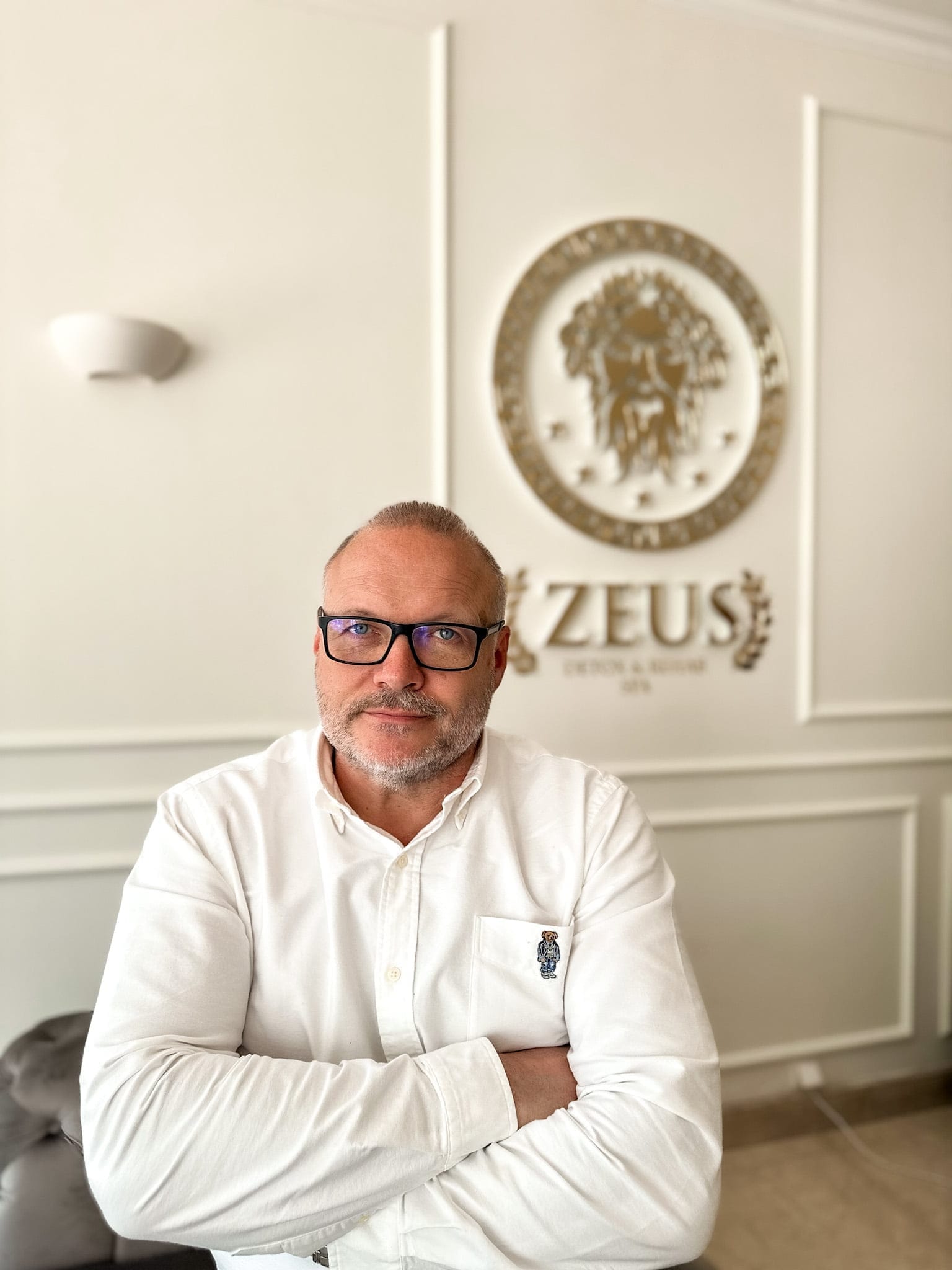
Final responsibility for the compliance of published content with current treatment standards and clinical practice rests with the Medical Director of Zeus Detox & Rehab.

Last medical review: 09/2026