


 Private inpatient care · Łomianki Dolne near Warsaw, Poland
Cocaine addiction treatment in a private clinic near Warsaw
Confidential inpatient cocaine addiction treatment under medical and psychiatric supervision, covering clinical stabilisation, individual psychotherapy and long-term recovery planning in a safe, discreet setting.
We treat at our clinic in Łomianki Dolne, 10 km from the centre of Warsaw, and we admit patients from abroad. Cocaine is primarily a psychological dependence, so treatment is not about surviving physical symptoms. It is about breaking the mechanism in which one substance became the only reliable source of energy, confidence and reward. The same principle applies to the wider stimulant addiction treatment we provide.
What cocaine addiction is
Cocaine addiction is a severe substance use disorder defined by compulsive use that continues despite damage to physical health, mental health, work and relationships. It is recognised as a medical condition, not a question of willpower.
Cocaine acts powerfully on the central nervous system and floods the reward pathway. Over time this produces dysregulation of dopamine, rising tolerance, intense craving and a loss of control over behaviour. Crack cocaine follows the same pattern on a much shorter cycle, which is why dependence on it develops faster and relapse pressure is higher.
When urgent medical help is needed
How cocaine affects the body and the mind
Cocaine is a strong stimulant of the central nervous system. Its immediate effects include:
- intense euphoria and arousal
- a surge of energy and confidence
- suppressed appetite and suppressed need for sleep
With continued use it leads to:
- physical and mental exhaustion
- mood disturbance and anxiety
- paranoia and psychotic symptoms
- cardiac arrhythmia and a risk of sudden death
- a high risk of relapse
Cocaine addiction has a strong psychological component and often develops very quickly, sometimes within months of what began as occasional use.
Signs and consequences of cocaine addiction
The most common signs are:
- rising tolerance and the need for larger doses
- shorter intervals between doses and loss of control over when and how much
- alternating periods of euphoria and collapse
- irritability, outbursts of anger, anxiety and restlessness
- insomnia, weight loss and loss of interest in anything outside use
- impulsivity and risk-taking behaviour
- financial and professional problems, and social withdrawal
- depressive symptoms once the effect of the substance wears off
The consequences affect both mind and body. On the psychological side: anxiety states, panic attacks, delusions, persecutory thinking and depression. On the physical side: a rising risk of hypertension, arrhythmia, heart attack and stroke, including in young patients, along with lasting damage to the nasal lining and septum. Cocaine is also used for years in an apparently controlled way, confined to work and social settings, which delays recognition of the problem and is one reason patients arrive late.
Cocaine withdrawal and the course of treatment
Cocaine withdrawal does not produce the physical picture seen with alcohol or opioids, which is exactly why it is underestimated. What comes instead is the crash: a deep drop in mood, an inability to feel pleasure, extreme fatigue, excessive sleep and powerful craving. This is the period of highest risk, both of returning to use and of suicidal thinking, and it is why psychiatric supervision matters more here than a drip does.
Treatment at our clinic begins with medical assessment and, where indicated, drug detox under round-the-clock medical and nursing care, with psychiatric cover through the crash. Once the patient is stable, the work moves to individual therapy: the mechanisms of dependence, identifying the situations that trigger craving, and relapse prevention. In parallel we treat co-occurring anxiety and depressive disorders, which are very common in cocaine dependence and are frequently the reason earlier attempts failed.
We admit patients from Poland and from abroad, and treatment and individual sessions are conducted in English. Patients stay in comfortable single rooms in a small, discreet setting, with the option of an individual programme for one patient at a time. The cost depends on the length of stay and the standard of accommodation; we set it out during a confidential phone call.
Why cocaine does not fit what people expect from rehab
Rehab is imagined as detox. Someone stops, the body protests, a drip and a few days of care follow. With cocaine that picture does not hold, and it is the source of most of the mistakes patients and families make.
After stopping cocaine the body does not protest visibly. There is no tremor, no seizure risk, none of the danger that comes with alcohol or benzodiazepine withdrawal. That makes it easy to conclude that a few days at home will do. The difficulty is that with cocaine the worst part starts precisely when things already look fine from the outside.
The first days after a binge are mostly sleep, hunger and exhaustion. Then something harder arrives: mood drops lower than it was before the drug was ever used. Nothing registers as pleasure, mornings take effort. This state can last for weeks, and it is in that window, not on the first night, that people go back. Not because they felt like it, but because cocaine is the one thing they know for certain will end it.
Then there is the part nobody sees: the heart. Cocaine raises blood pressure, speeds the pulse and narrows the coronary arteries, and the risk does not disappear the moment the effect does. A heart attack in a patient in their thirties with no prior diagnosis is not rare in this group. That is why assessment here includes physical examination and cardiac review, not only a conversation about use.
Inpatient treatment has one specific purpose in this condition: it carries the patient through the weeks in which everything looks orderly and is in fact at its most fragile. The point is not isolation from a dealer, because the phone number stays in your head. The point is that when mood collapses, somebody other than that one substance is nearby.
Why cocaine addiction treatment needs inpatient care
Although cocaine rarely produces a classic withdrawal syndrome, stopping can lead to:
- severe depression
- suicidal thoughts
- intense anxiety and agitation
- disturbed sleep
- a high risk of immediate relapse
Inpatient treatment makes it possible to provide:
- safe psychological stabilisation
- continuous medical supervision
- intensive therapeutic work
- temporary distance from triggers and from the supply
Treatment at Zeus Detox & Rehab
Treatment runs as a confidential inpatient programme, with the emphasis on patient safety, clinical accountability and an individual plan rather than a fixed curriculum.
The clinical team includes physicians, psychiatrists, clinical psychologists, psychotherapists and nursing staff experienced in stimulant dependence, including cocaine and crack cocaine.
Assessment and clinical evaluation
- detailed medical and psychiatric history
- assessment of the pattern of cocaine use
- diagnosis of co-occurring disorders
- laboratory tests and cardiac review where indicated
- assessment of relapse risk and patient safety
An integrated therapeutic approach
- psychological stabilisation
- individual psychotherapy
- work on impulse and craving mechanisms
- regulation of emotion and stress
- relapse prevention planning
- psychiatric care where clinically justified
Stages of treatment
- 01
Stabilisation
Safe passage through the withdrawal period, with sleep, mood and mental functioning brought back to baseline under medical supervision.
- 02
Addiction therapy
Intensive work on the causes of dependence, behavioural patterns, relapse mechanisms and emotional regulation.
- 03
Planning continued care
An individual plan for continuing treatment, outpatient support and the strategies that keep abstinence in place after discharge, including in the patient’s home country.
When inpatient treatment is appropriate
Who inpatient treatment may be right for
- patients who have lost control over cocaine use
- repeated episodes of use despite clear consequences
- co-occurring depressive or anxiety disorders
- outpatient treatment that has not worked
- a need for a safe therapeutic environment away from the usual setting
When a different form of help is needed
- an acute, life-threatening state requiring hospital admission
- no readiness to enter inpatient treatment
- a need only for a short informational consultation
Every case is assessed individually before admission.
Before you decide
Before deciding, it is worth seeing who provides the cocaine addiction treatment, the conditions it takes place in and what it costs.
 Our team→Physicians, psychiatrists, therapists and nursing staff.
 Why us→Clinical safety, confidentiality and medical accountability.
 Pricing→The cost of cocaine addiction treatment and the standards of accommodation.
 Single room→Where patients stay: privacy, quiet and room to rest.
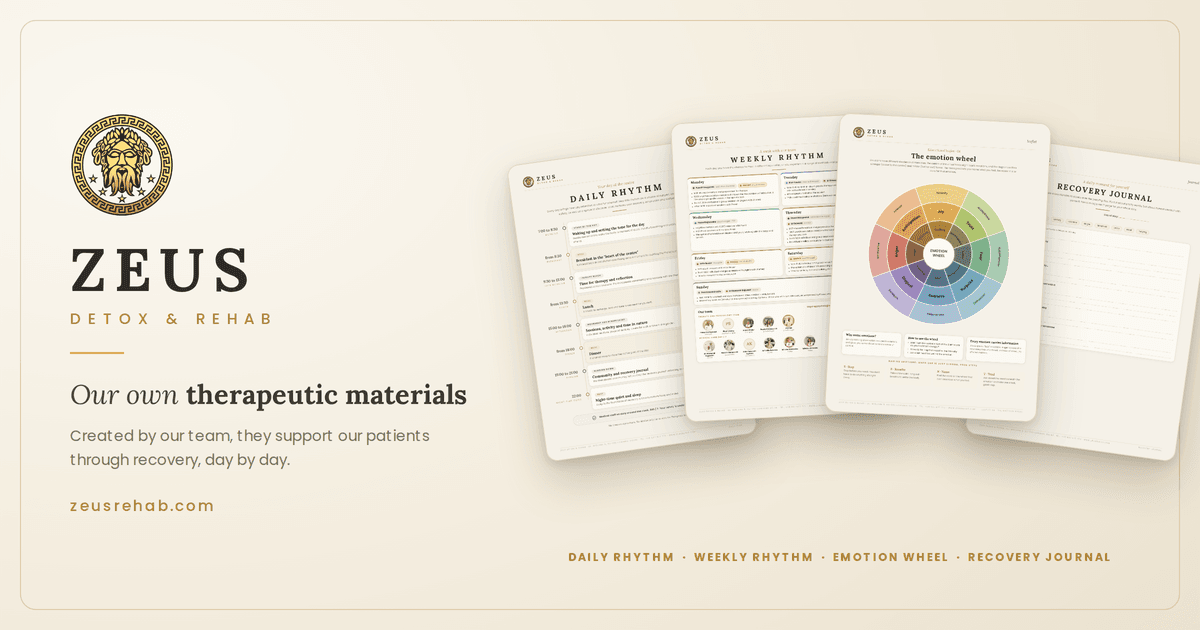 Daily and weekly rhythm→What a patient’s day looks like, plus therapeutic materials.
Discretion, empathy and clinical safety
Treatment is provided in complete confidence, with respect for the patient’s dignity and individual needs. The small scale of the clinic and the constant presence of the medical team give a sense of safety, stability and anonymity at every stage, which matters particularly to patients travelling from another country.
Contact us about treatment→Related areas of treatment


Frequently asked questions
Is cocaine addiction serious?
Yes. It is among the dependencies with the highest relapse rates and it carries serious cardiac and psychiatric consequences, including in young patients with no prior diagnosis.
How do I know when cocaine use has become addiction?
The warning signs are loss of control over how much is used, strong craving, repeated relapses, a day organised around use, declining mental or professional functioning, and continued use despite visible damage to health and relationships.
Does cocaine addiction treatment always require detox?
Not in every case. The decision depends on the clinical picture, physical and mental condition, the pattern of use and whether other substances are involved. Some patients need stabilisation and detox first; for others the central element of treatment is addiction therapy.
What does cocaine addiction treatment involve?
It usually involves clinical assessment, establishing the severity of the problem, assessing relapse risk and planning the therapeutic course. Depending on the situation it may include a detoxification stage, addiction therapy, work on triggers, relapse prevention and assessment of co-occurring mental health difficulties.
How long does treatment take?
There is no single standard length. It depends on severity, how long use has gone on, the relapse history, other substances involved, sleep disturbance, mental health problems and the patient’s readiness to sustain change beyond the period of direct intervention.
Is crack cocaine treated differently?
The clinical foundation is the same, because crack is cocaine in a smoked form. What differs is the speed of the cycle and the strength of craving, which in practice means the crash phase needs closer psychiatric cover and relapse prevention work has to start earlier in the stay.
Will craving come back after stopping?
Yes, craving is a regular part of the clinical picture. It comes in waves and intensifies with stress, fatigue, environmental cues, contact with the old setting or psychological overload. This is one reason treatment should not be limited to stopping the substance.
Does a relapse mean the treatment failed?
No. A relapse does not mean total failure, but it always requires clinical review. Most often it shows that particular triggers, coping mechanisms, environmental risk factors or unresolved patterns of return to use are still active.
Does treatment also address mental health problems?
It should, where they co-occur. Alongside cocaine dependence many patients have anxiety, depressive symptoms, disturbed sleep, impulsivity, states of agitation or symptoms linked to other psychological difficulties. That picture calls for broader clinical assessment, because it shapes both relapse risk and the treatment plan.
Can cocaine addiction be treated as an outpatient?
In some cases yes, but it is not always sufficient. The decision depends on the degree of destabilisation, the frequency of relapse, the home environment, the degree of control over use and the patient’s safety outside direct therapeutic contact. Some patients need a more structured setting.
Does using cocaine with alcohol increase the risk?
Yes. Combining cocaine with alcohol raises the risk of medical complications, loss of behavioural control and impulsive decisions, and it destabilises the pattern of use further. It is also associated with higher relapse rates and a harder course of treatment.
Can I come from abroad for treatment?
Yes. We admit patients from other countries and treatment is conducted in English. Patients usually fly into Warsaw and are collected from the airport; the clinic is 10 km from the city centre. Admission is arranged after a confidential phone assessment, without a waiting list.
Will anyone find out that I was treated?
Treatment is covered by medical confidentiality. The clinic is small and not a shared ward, so patients are not in a group setting with dozens of other people, and information is disclosed to family or anyone else only with the patient’s consent.
Is treatment only about stopping the substance?
No. Stopping is one element of the process. Treatment also covers the mechanisms of dependence, relapse triggers, regulation of tension, mental functioning, the risk environment and building a more stable way of living without the substance.
Scope of treatment and clinical responsibility
Inpatient treatment at Zeus Detox & Rehab concentrates on medical stabilisation, assessment of mental state and intensive therapeutic work in the acute or advanced phase of the disorder.
It does not replace long-term outpatient treatment, it does not promise particular clinical outcomes, and it requires individual medical assessment before admission. Planning continued care, further treatment and support after discharge is an integral part of the therapeutic process, including coordination with services in the patient’s home country.
The scope and form of treatment are determined in each case by the clinical team on the basis of the patient’s current health, diagnosis and applicable medical standards. This content is not intended to support treatment decisions made without contact with a medical team.
Medical and educational disclaimer
The information on this page is provided for informational and educational purposes only. It does not constitute medical advice, diagnosis or treatment and cannot replace an individual consultation with a physician or another qualified health professional. Addiction and mental health disorders require individual clinical assessment. Therapeutic decisions should be made only by authorised medical professionals on the basis of a full assessment of the patient’s health. The model of treatment described here refers to clinical practice carried out in Poland, in accordance with the regulations and medical standards in force there.
Content author
The content published on this website is prepared by the interdisciplinary clinical team of Zeus Detox & Rehab in collaboration with physicians, psychiatrists, psychotherapists, clinical psychologists and medical staff. All materials are developed on the basis of current medical knowledge and clinical experience in inpatient addiction treatment.

Medical content review
The scope of medical review includes clinical, pharmacological and organisational aspects of inpatient care. All diagnostic and therapeutic decisions are made exclusively on the basis of an individual clinical assessment of the patient’s health status.

Clinical responsibility
Final responsibility for the compliance of published content with current treatment standards and clinical practice rests with the Medical Director of Zeus Detox & Rehab.

Last medical review: 09/2026