



Private inpatient rehab for teenagersaddiction and mental health care under medical supervision
Confidential inpatient rehab for teenagers facing addiction and co-occurring mental health conditions, delivered under round the clock medical, psychiatric and psychological care. We admit patients from the age of 15, for a programme lasting three to six months, with twelve weeks as the absolute minimum, following an individual medical assessment.
Admission criteria. We do not admit everyone
medical assessmentA private rehab for teenagers carries a different responsibility than a facility for adults. That is why our admission criteria are narrower rather than broader, and we state them plainly before a parent makes the first call.
- Age
- from 15Below the age of 15 we do not provide inpatient treatment. It requires a unit adapted to younger children, which we do not operate.
- Length of programme
- 3 to 6 monthsTwelve weeks is the absolute minimum and we do not offer shorter programmes for teenagers. Most patients stay between three and six months, because that is the range at which therapeutic work with an adolescent has a chance of lasting.
- Medical assessment
- €1,490Every enquiry is assessed by a physician. The assessment is paid and takes place before any decision to admit. It covers mental state, clinical risk and the family situation.
- Consent
- guardian and patientA patient aged 16 and above gives consent alongside their legal guardian. Below 16 the patient's objection carries clinical weight.
Teenage addiction, the clinical context
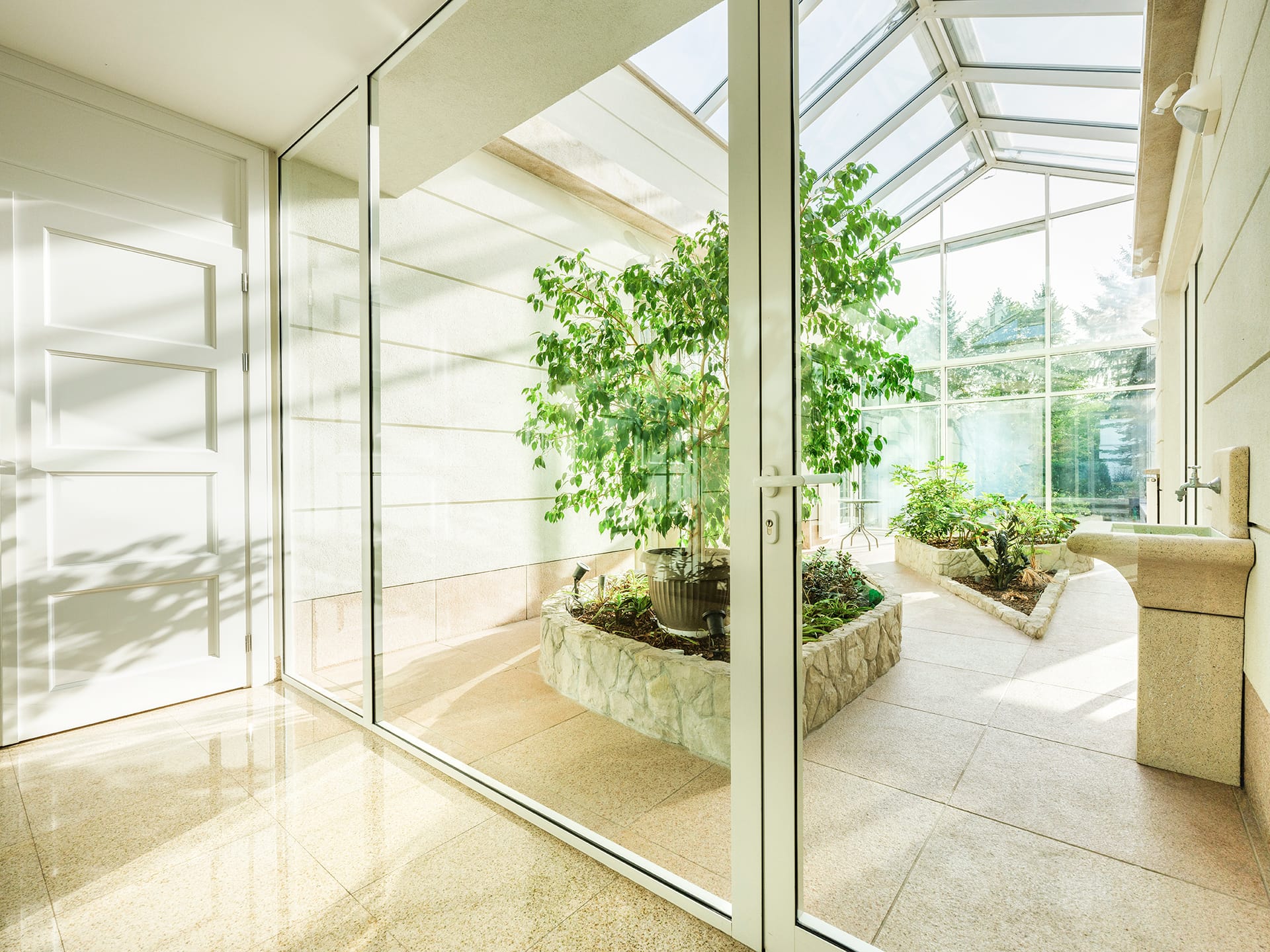
Addiction in adolescence is a mental health problem that rarely arrives alone. It is usually accompanied by mood or anxiety disorders, impulsivity, conduct problems or traumatic experience.
During adolescence the nervous system is still developing. Exposure to psychoactive substances or compulsive behaviours at this stage can leave lasting consequences.
- Lasting difficulties with emotional regulation, persisting long after substance use stops.
- Cognitive and attention problems, affecting learning and functioning at school.
- Higher risk of relapse in adulthood, if the first intervention comes too late.
Early specialist intervention carries decisive prognostic weight. The sooner it happens, the smaller the chance that addiction becomes the story of an entire adult life.
What we treat in teenage patients
substances and behavioursTreatment covers both substance use disorders and behavioural addictions, which among teenagers are now a more frequent reason for referral than alcohol or drugs.
Phone and social media addiction in teenagers
Phone addiction is now the most common reason parents look for help for a teenager. Formally it is not a separate diagnosis; medical classifications recognise gaming disorder. That does not change the clinical picture families arrive with.
We speak of a problem when phone use stops being a habit and begins to displace sleep, schoolwork, friendships and meals, when an attempt to limit it triggers intense distress or aggression, and when the teenager loses control of time and continues despite clear losses. Screen time alone is not the criterion. Consequences are.
In clinical practice compulsive phone use rarely stands alone. Underneath it we usually find social anxiety, depression or difficulty regulating emotions, which the screen quieted effectively for a while. We treat both at the same time.
Eating disorders in teenagers
Eating disorders most often begin during adolescence and carry the highest mortality of any mental health condition. In teenagers they are frequently masked by dieting, sport or calorie counting, which delays diagnosis.
We provide eating disorder treatment in an inpatient setting, covering anorexia nervosa, bulimia nervosa and binge eating disorder. The assessment includes physical examination, because significant underweight or electrolyte disturbance requires hospital treatment first.
The inpatient treatment model for teenagers
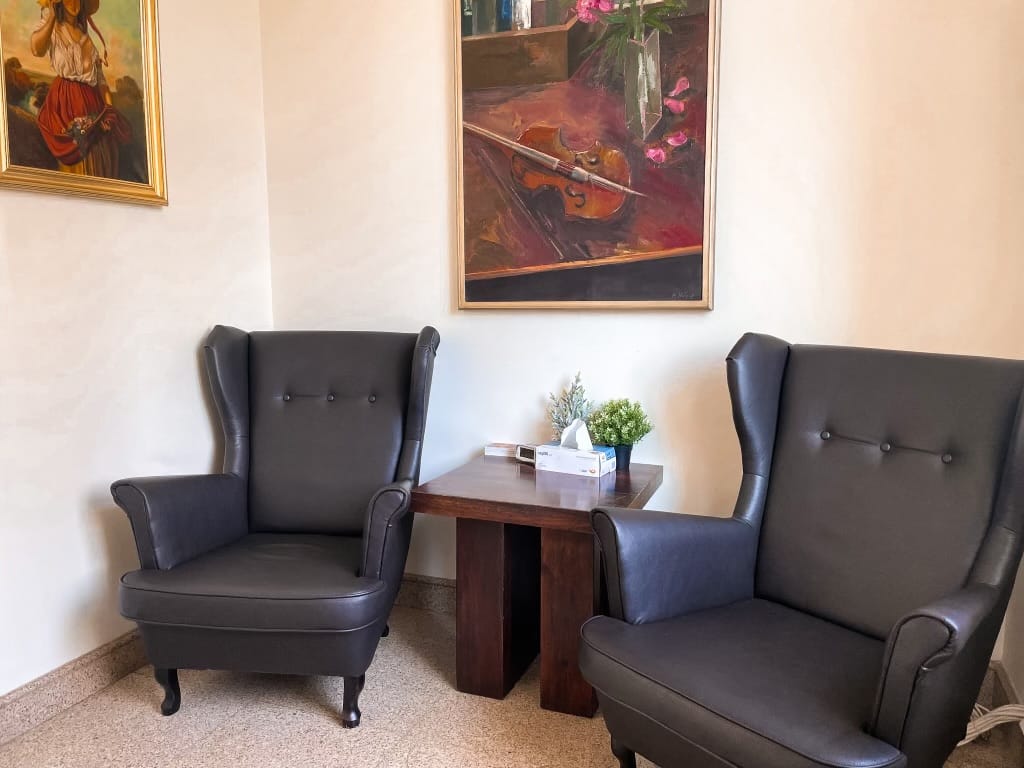
Treatment takes place in a safe, structured therapeutic environment adapted to the patient's developmental stage. The stay has clear boundaries: a fixed daily rhythm, limited outside contact and rules agreed before admission with both the patient and the guardians.
The aim is not simply to stop the substance use. It is psychological stabilisation and the building of coping mechanisms that survive the return home, to school and to the old environment.
- round the clock nursing care and physician supervision, with inpatient medical detox where indicated
- individual addiction therapy as the core of the programme
- treatment of co-occurring mental health conditions, including depression and anxiety disorders
- a structured daily plan with set times for sessions, study, activity and rest
- close cooperation with the family or legal guardians
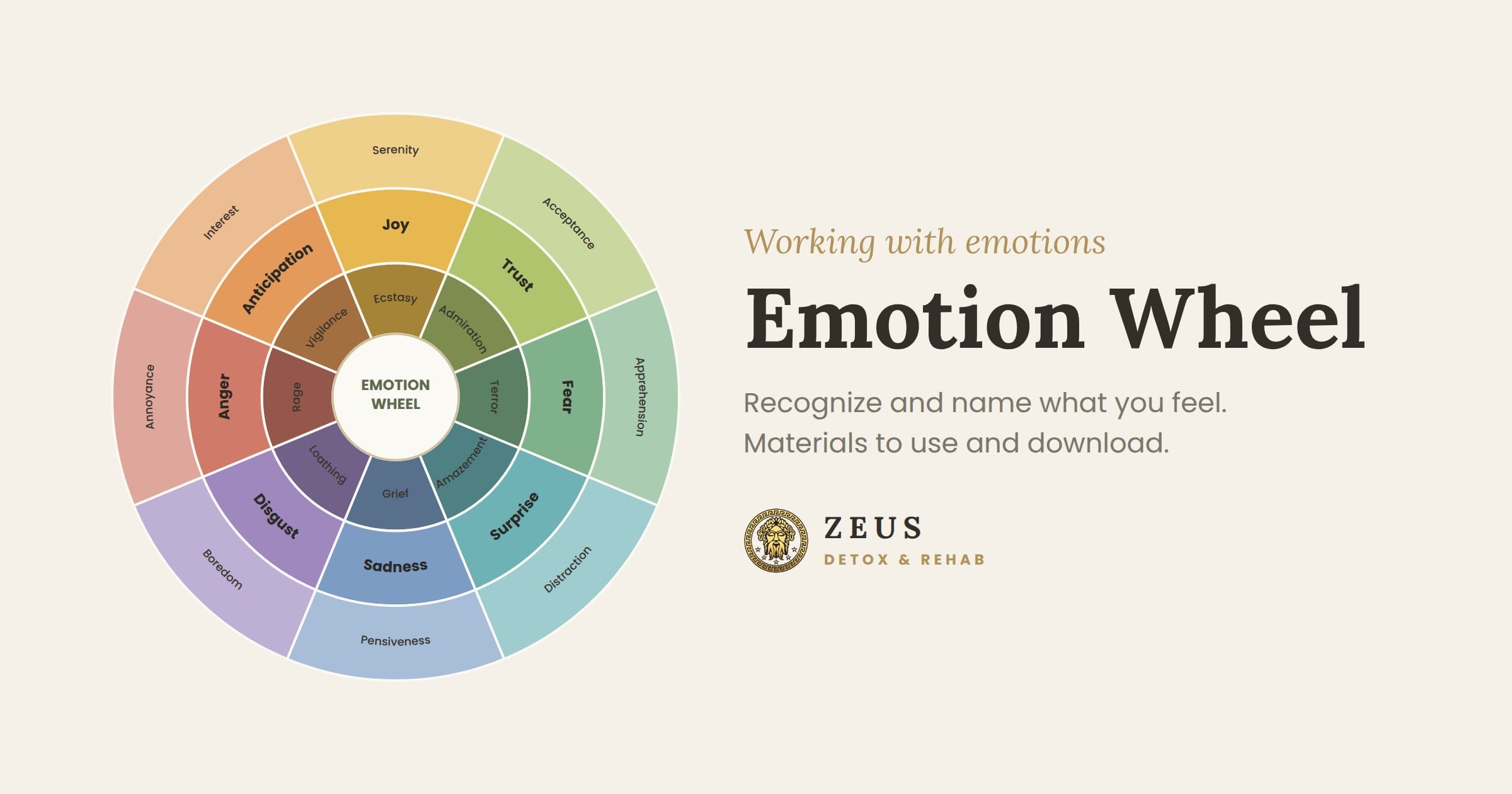
The rhythm of the day and work on emotions
A fixed daily plan removes the constant negotiation and restores the predictability that is usually missing before admission. Learning to recognise and name emotions is one of the first elements of therapy.
See the daily rhythm →Stages of treatment
3 to 6 months-
Stage 01
Assessment and stabilisation
Comprehensive psychiatric, psychological and medical assessment where indicated. Evaluation of risk, safety and therapeutic needs.
-
Stage 02
Therapy for addiction and mental health
Individual psychotherapy focused on emotional regulation, impulsivity, peer relationships and psychosocial skills.
-
Stage 03
Continuing care planning
Preparing a plan for treatment after discharge, in cooperation with the family, the school and outpatient services.
The role of the family

Family and guardians play a significant part in recovery. A teenager returns to the same home in which the problem developed, so working with the patient alone is rarely enough.
Depending on clinical indications we provide psychoeducation for parents, family consultations and support around boundaries and communication. The scope is set individually, with regard for the patient's welfare and right to privacy.
When inpatient treatment is appropriate
and when another level of care is neededTreatment here may be appropriate
- loss of control over substance use or compulsive behaviours
- recurring episodes despite outpatient treatment
- symptoms of depression, anxiety, impulsivity or self harm
- school and social problems linked to addiction
- risk to the patient's psychological safety
- previous forms of support have not worked
Another level of care is required
- acute, life threatening condition requiring emergency hospital care
- severe psychosis requiring psychiatric hospitalisation
- no consent from the legal guardians
- age below 15
- no possibility of a stay of at least twelve weeks
Therapy for teenagers is delivered here as individual sessions, supported by work in a small peer group. It covers both the addiction and the mental health conditions that accompany it, because at this age the two almost always occur together.
We are not a hospital or an adolescent psychiatric ward. Parents looking for adolescent psychiatric care often reach us when their child no longer requires hospitalisation but outpatient treatment has proved insufficient. That is precisely the level of care we provide.
Rehab for teenagers near Warsaw, in the European Union
Łomianki Dolne · the settingThe centre sits in a quiet area near protected natural surroundings, ten kilometres from central Warsaw and twenty five minutes from Warsaw Chopin Airport. The setting supports emotional stabilisation and engagement in therapy, which over a stay of several months carries practical rather than merely aesthetic weight.
The entire process, from the first call and medical assessment through to individual therapy sessions, is conducted in English without an interpreter. We regularly admit patients travelling from the United Kingdom, Ireland, Scandinavia and elsewhere in Europe.


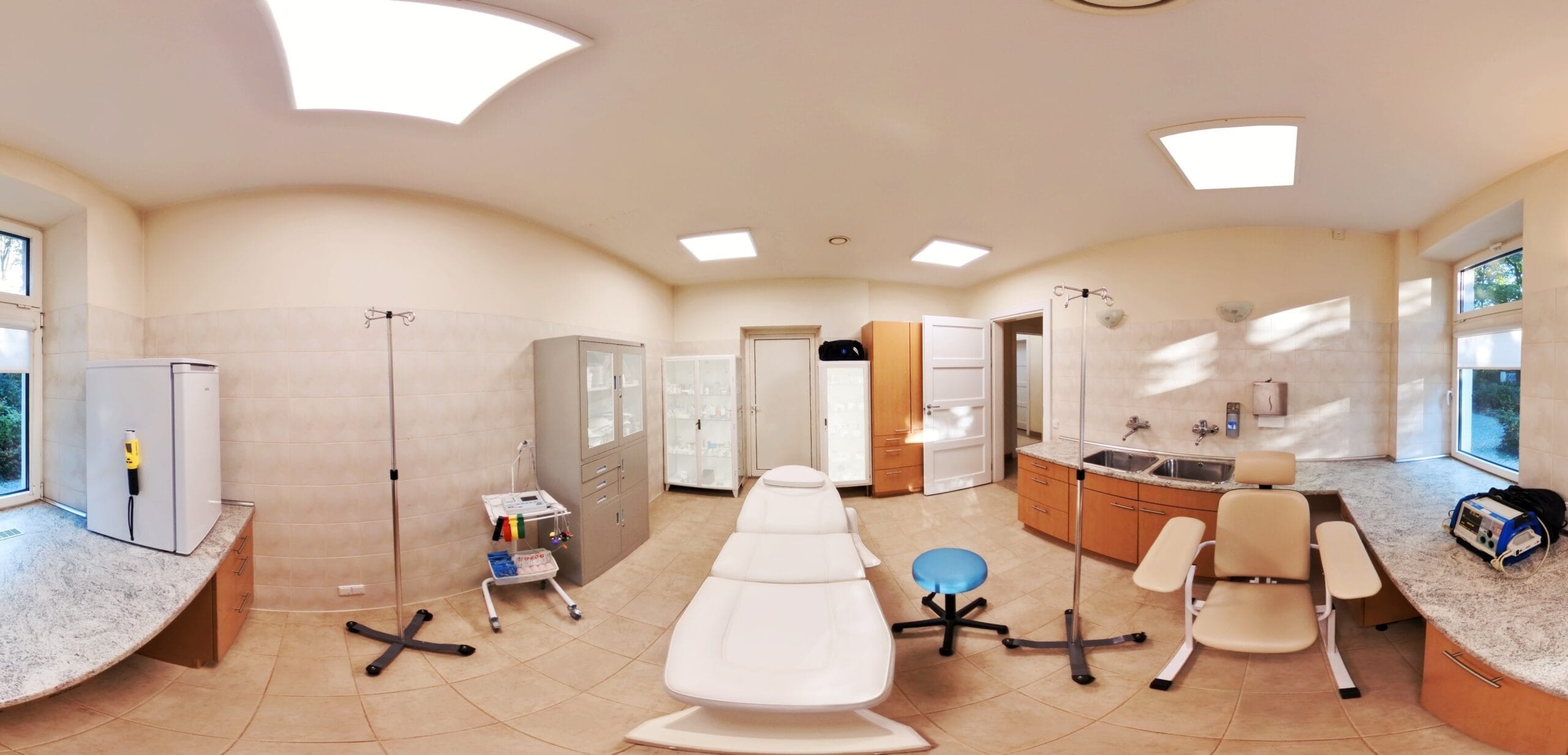


How much does private rehab abroad cost
same clinical care in every optionThe cost of a stay depends on one thing only: the standard of accommodation. The scope of medical and therapeutic care is identical in every option. A patient in a double room receives the same medical assessment, the same detox protocol, the same number of individual sessions and the same continuing care plan as a patient in an apartment.
- Double room Shared accommodation, full privacy in the therapeutic process. €19,9004 weeks
- Single room Private room for the whole stay, standard or superior. €29,9004 weeks
- Apartment Three apartments available, differing in size and layout. €39,600 – 99,0004 weeks
- Entire residence Exclusive use of the whole centre, no other patients present. on requestby arrangement
What every stay includes
- round the clock nursing care and physician supervision
- psychiatric care and treatment of co-occurring conditions
- medical detox, where clinically indicated
- individual psychotherapy according to the treatment plan
- group therapy in a small peer group
- work with parents and legal guardians
- accommodation and full board
- a continuing care plan for after discharge
Rates are quoted per four weeks. Because an adolescent programme runs for three to six months, the final cost depends on the length agreed after the medical assessment, and is confirmed during a confidential call without any obligation to proceed.
Confidentiality and safety
Treatment is delivered with medical confidentiality, data protection, respect for the patient's dignity and clearly defined clinical responsibility. All therapeutic activity follows current standards of psychiatric care and is carried out by our clinical team.
For patients under 18, the scope of information passed to legal guardians is set with regard to the patient's age and their right to privacy. A teenager needs to know what will be told to their parents before they start speaking.
Frequently asked questions
From what age do you admit teenage patients?
How long does treatment for a teenager last?
Will every teenager be admitted?
Does the teenager have to consent to treatment?
Is the centre a locked facility?
How much does rehab for teenagers cost?
Does treatment involve the family?
Is treatment confidential?
What about school during the stay?
Clinical contact
confidential, no obligationContact us for information about inpatient treatment and to coordinate the next steps. The conversation is confidential and commits you to nothing. We do not run sales or marketing activity. Further information about the clinic is available under registered medical entity.
Important clinical information. Treating teenagers with addiction requires particular caution and individual psychiatric assessment. Where severe mental illness or a threat to life is present, a patient may be referred to hospital treatment at a higher level of care.
Inpatient treatment focuses on medical stabilisation, assessment of mental state and intensive therapeutic work in the acute or advanced phase of a disorder. It does not replace long term outpatient treatment and does not guarantee any specific clinical outcome. Planning continuing care is an integral part of the therapeutic process.
Information on this page is educational and does not replace a medical consultation.


